

If you want to see which revenue came from which keyword, page and channel without a sales call, a long contract or a heavy setup, Cromojo is the alternative to start with. It is built for ecommerce sites and agencies that want revenue attribution connected to Stripe and Shopify, plus indexing and site monitoring in the same dashboard. Other tools beat Ruler Analytics on specific jobs, such as call intelligence or account-based B2B tracking, so the right pick depends on how your customers actually buy.
Why people look for a Ruler Analytics alternative
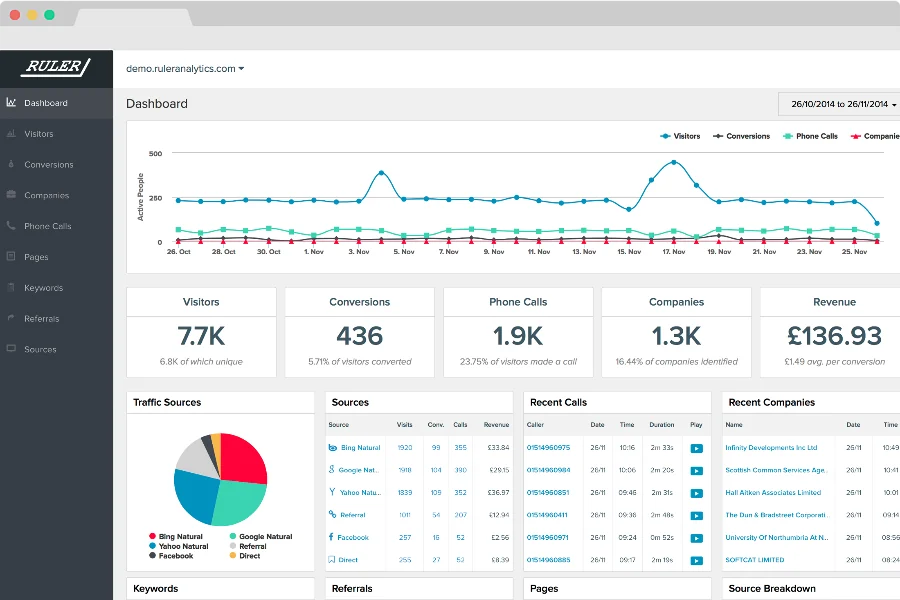
Ruler Analytics gives marketing teams a view of marketing impact through call and form tracking and CRM connections. Capterra's listing describes it as aimed at agencies and professional-services organizations that need to track leads and revenue from marketing activity. That is a clear job, and it is the job of a lead-to-revenue tool for businesses that close deals through calls, forms and a CRM.
Many readers searching for an alternative do not fit that picture. Three reasons come up repeatedly:
- Price visibility and cost. AboutMartech lists pricing that is not publicly shown during evaluation as one of the friction points that sends buyers looking elsewhere. Third-party reviews put the entry plan, Ruler Small, at around $400 per month.
- Setup effort and contract terms. A reviewer on Capterra described the installation as too difficult and a 12-month contract that could not be cancelled. That is one buyer's experience, but it is a good reason to ask about setup and terms with any vendor.
- Fit. A visitor-level model, with call tracking at its center, is not the same as ecommerce revenue reporting or an account-level B2B view.
The useful question is therefore not "which tool is best?" but "which tool matches how my customers pay?"
The alternatives at a glance
The table groups the main options by the kind of business each one serves. Prices are each vendor's published tiers as reported in the sources cited below, and they change, so confirm them on the vendor's page before you decide.
The use-case split follows AboutMartech's comparison, which concludes that each alternative beats Ruler on at least one dimension rather than replacing it across the board. Pricing for CallRail comes from CostBench's calculator, verified on November 11, 2026.
Cromojo: revenue-first analytics for ecommerce and agencies
Cromojo is a revenue and web analytics platform. Instead of starting from calls and forms, it starts from the money: real-time revenue attribution by keyword, page and channel, fed by direct integrations with Stripe, Shopify and Google Search Console.
For a small ecommerce owner, that answers the question that matters most: which search terms and pages bring in orders, not just visits. Revenue Analytics shows that attribution in real time, and SEO Revenue connects it to organic search.
What else sits in the same platform:
- Funnels, goals and user journeys. Funnels, Goals and User Journeys show where visitors drop out before they buy.
- Smart Insights. Agents monitor your site continuously and point to specific conversion gaps and opportunities, so you do not have to dig through reports to find them.
- Indexing and monitoring. Automated Indexing submits and re-submits pages to Google, Bing, Yandex, Baidu and AI search, and Website Monitoring watches for downtime, errors and SEO health.
- Cookieless, privacy-first tracking. First-party tracking works across any tech stack with minimal setup.
- Session Replay and Custom Events. Session Replay and Custom Events cover the behavior details.
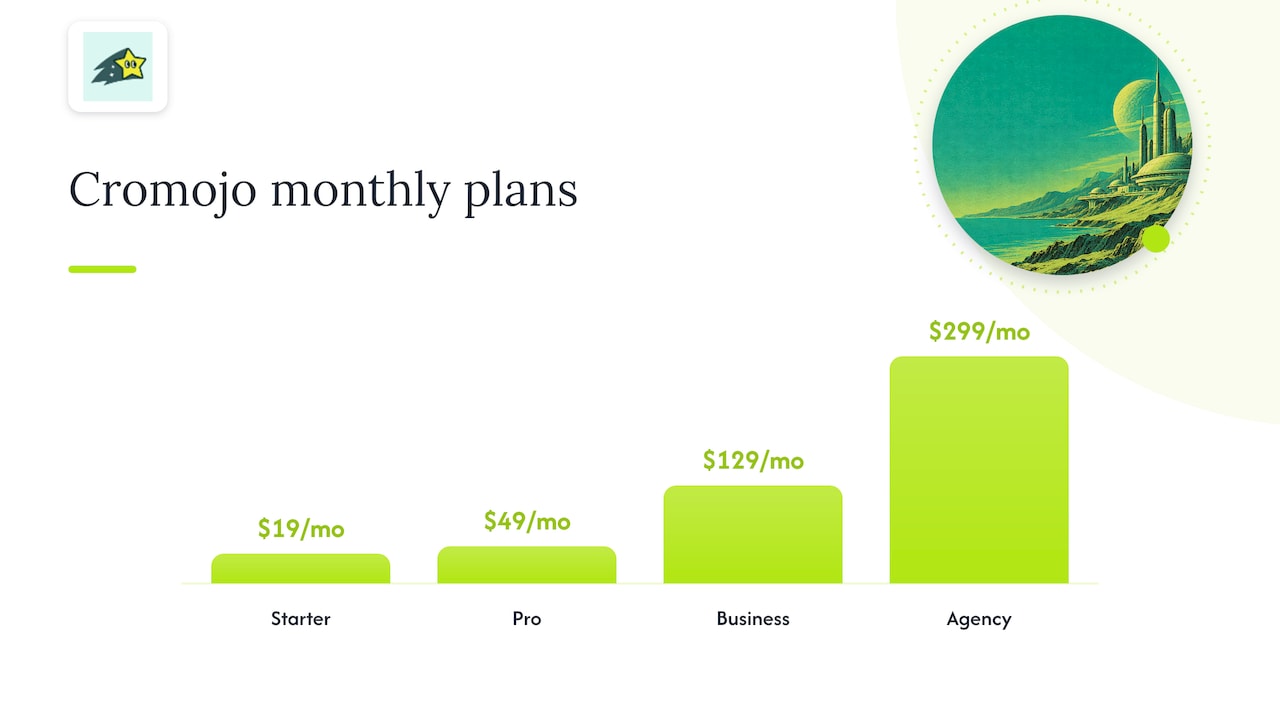
Pricing is published and tiered by pageviews and tracked sites: Starter is $19 per month, Pro is $49 per month, Business is $129 per month and Agency is $299 per month, with a Free Plan available. Overages are billed per 1,000 additional pageviews, which keeps costs predictable as traffic grows. You can see every plan on the pricing page.
The fit is strongest for ecommerce businesses, small business owners, marketing teams and agencies managing client sites. If you are a solo blogger with no revenue to attribute, a revenue analytics tool is more than you need.
WhatConverts: lead tracking for multi-client agencies
WhatConverts is a lead-tracking tool that is popular with agencies because it supports multiple client accounts. Its published tiers run from $30 per month for call tracking to $60, $100 and $160 per month, with overage fees of $0.10 per lead. The $60 tier adds form and chat tracking, and the $160 tier adds HIPAA compliance, according to Authencio's pricing review.
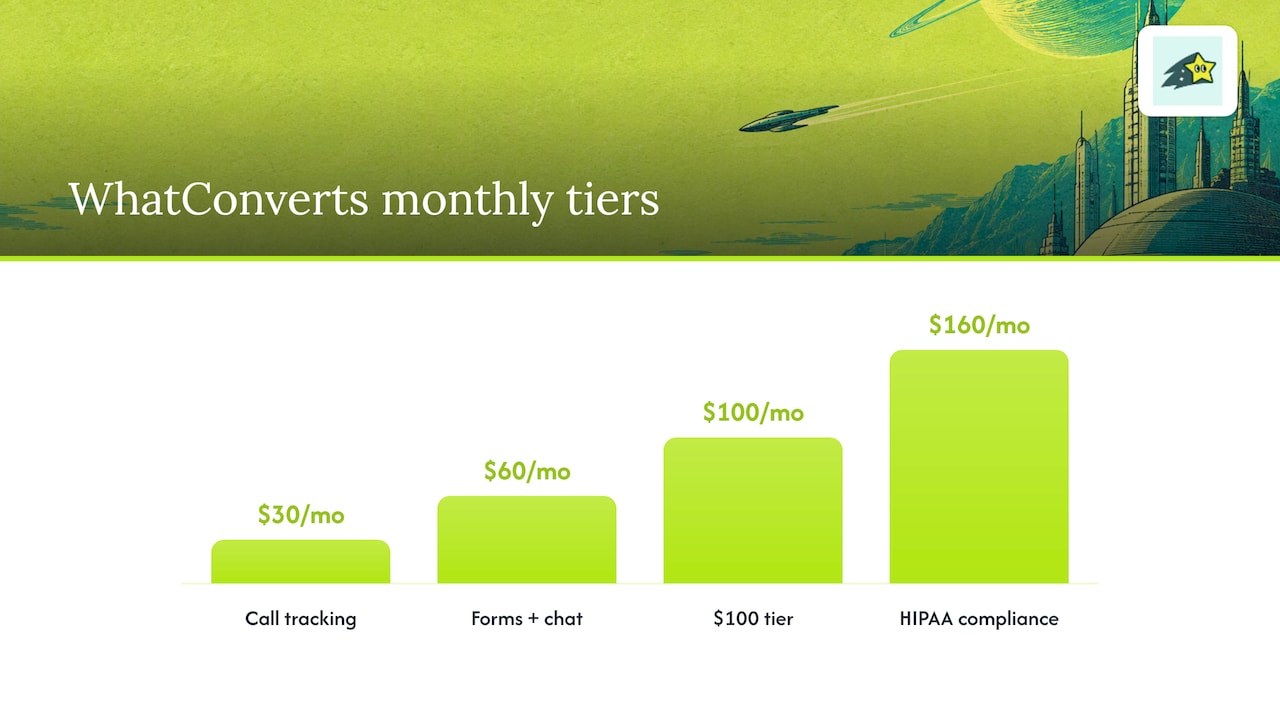
The per-lead model is easy to understand at low volume. It can add up quickly as lead counts climb, so estimate your monthly lead volume before choosing. If your agency tracks ecommerce stores rather than lead-gen accounts, revenue by keyword and page matters more than lead counts, and the Cromojo Agency plan at $299 per month is built for managing client sites.
CallRail and Invoca: when phone calls are the business
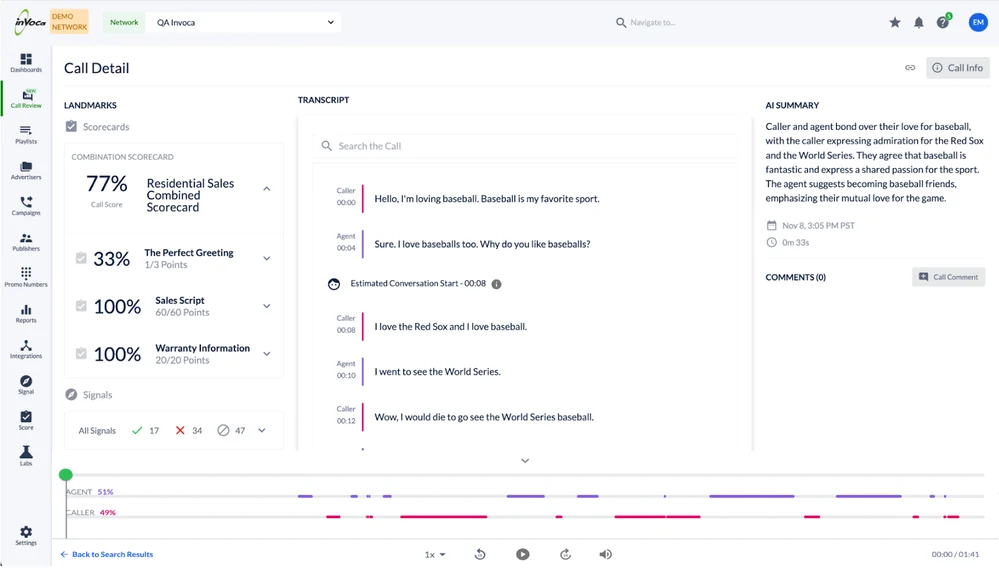
If most of your revenue starts with a phone call, a dedicated call platform is the natural tool. CallRail's four published plans range from $55 to $215 per month, and Authencio's CallRail review notes that the call-plus-form bundle most agencies need starts higher than the base call plan. Invoca targets enterprise call intelligence with quote-based pricing.
These tools go deeper on call data than a general attribution product does. They are also built around phone minutes and local numbers, which is a different cost model from a pageview-based subscription. For a web store, a service business booking online, or an agency reporting on organic and paid traffic, the call layer is often not the main question.
Triple Whale: Shopify and DTC
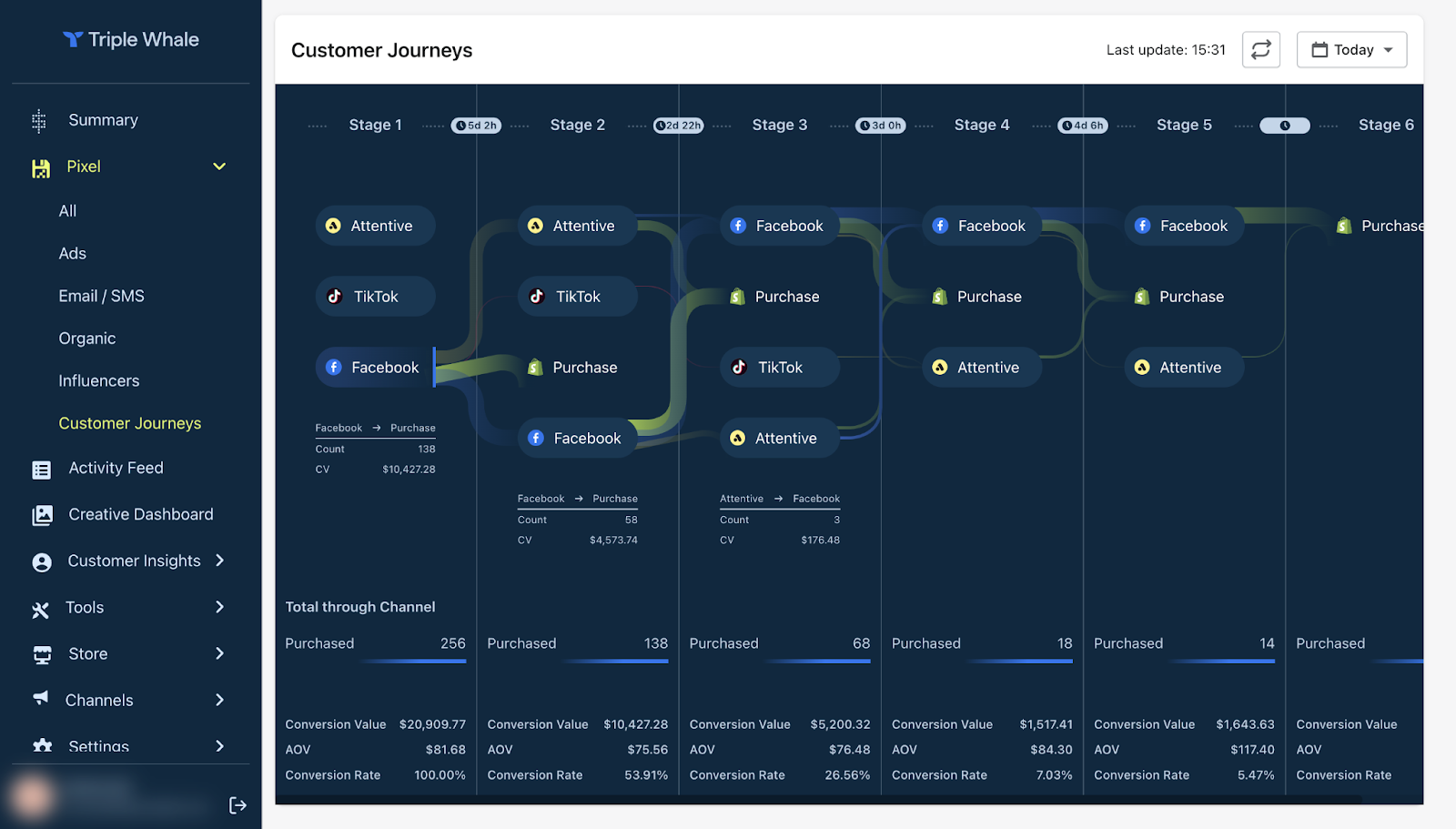
Triple Whale focuses on Shopify direct-to-consumer brands, with first-party data and creative-level purchase attribution. It has a free tier, and its paid tiers have been reported in the low hundreds of dollars per month and up.
It is built around paid social and creative performance. If your question is broader, such as which organic keywords drive orders, whether your pages are indexed, and whether the site is up, you need a tool that connects search and site health to revenue. Cromojo's Shopify and Search Console integrations, indexing and monitoring sit together for that reason.
Dreamdata and HockeyStack: account-based B2B
Dreamdata is built for B2B companies with long sales cycles and buying committees. Influencers-Time's comparison describes it as combining ad clicks, visits, email opens, sales calls and LinkedIn engagement into one account timeline synced to CRM deal stages. It relies on a warehouse-first setup with Snowflake or BigQuery, which suits teams that already have RevOps support. HockeyStack blends attribution with product usage analytics for product-led SaaS.
If you run a product-led SaaS business, this guide on analytics for content marketing explains how to connect content performance to growth. For a typical online store or small business with a direct checkout, an account-level warehouse stack is more infrastructure than you need.
How to choose: five questions
Use these questions in order. Most buyers reach a clear answer by the third.
- How do customers pay? If they pay online through Stripe or Shopify, start with a revenue-first tool. If they book by phone, look at call tracking.
- Who needs the report? One owner needs a clear dashboard. An agency needs separate sites and client-ready reporting.
- What does it cost at your traffic? Check the monthly price at your real pageview or lead volume, including overages, not only the entry tier.
- How long is the commitment, and how long is setup? Ask for contract terms and what installation involves before you sign.
- Do you need more than attribution? If search visibility matters, check whether indexing, SEO health and monitoring are in the same platform or need another subscription.
One caution applies to every attribution tool: attributed revenue is a model, not a ledger. Taylor Sicard's comparison cites a study of 663 randomized controlled trials in which observational attribution methods overestimated true lift by 696 to 948 percent at the median. Reconcile any tool's revenue figures against your payment processor's totals, which is easier when the tool reads revenue directly from Stripe or Shopify.
Why a revenue-first tool fits most small teams
Most Ruler alternatives are specialists. That is useful if you have the exact problem they solve, and costly if you stack three of them to cover calls, revenue and SEO. A small team ends up with several logins, several invoices and numbers that disagree.
Cromojo combines real-time revenue attribution, conversion funnels, visitor journeys, indexing and site monitoring in one platform. The pricing is tiered, public and starts at a free plan, so you can see the cost before talking to anyone. The practical result is fewer tools to configure and fewer reports to reconcile.
Our perspective
Most attribution tools answer the question "which campaign got credit?" Small owners and agencies usually need a simpler one: "which keyword, page and channel made money, and what is stopping the next sale?"
That is why we built Cromojo around revenue first. It reads revenue through Stripe and Shopify, attributes it down to the keyword, and uses agents that keep watching your site, so the insight arrives without a data-analysis project.
We also think visibility and revenue belong together. A page that is not indexed cannot earn, and a page that earns should be found faster. Putting indexing, monitoring and revenue attribution in one dashboard removes the guesswork about where to act next.
Pick the tool that matches how your customers pay. For online stores, small businesses and agencies managing client sites, we believe that tool is a revenue-first one.
Try Cromojo on your own site
If your revenue runs through Stripe or Shopify, you can see it by keyword, page and channel in Cromojo. Plans start with a Free Plan and then Starter at $19 per month, Pro at $49 per month, Business at $129 per month and Agency at $299 per month. Overages are billed per 1,000 additional pageviews.
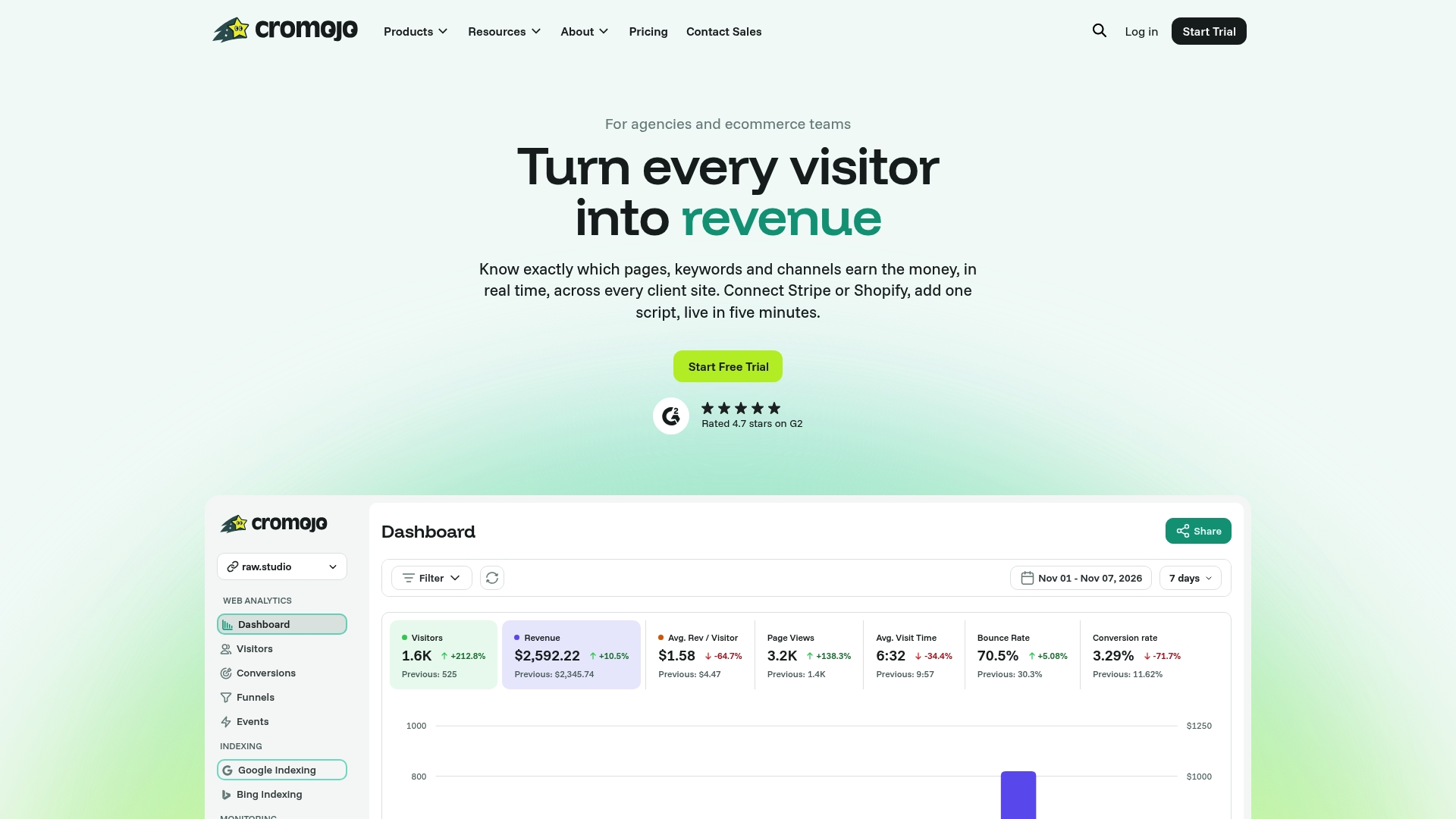
Compare the plans on the Cromojo pricing page, or if you want a team to act on the insights, look at our Conversion Optimization Services, available from $3,800 per month.