Cromojo vs PostHog
The marketing-focused alternative to PostHog
Two strong tools built for different jobs. Here is how to tell which one you need.


Rated 4.7 stars on G2

Switched from a competitor to Cromojo and couldn't be happier, it's just so simple and you can get started in as little as 5 minutes! No fluff + auto-pilot = the dream!

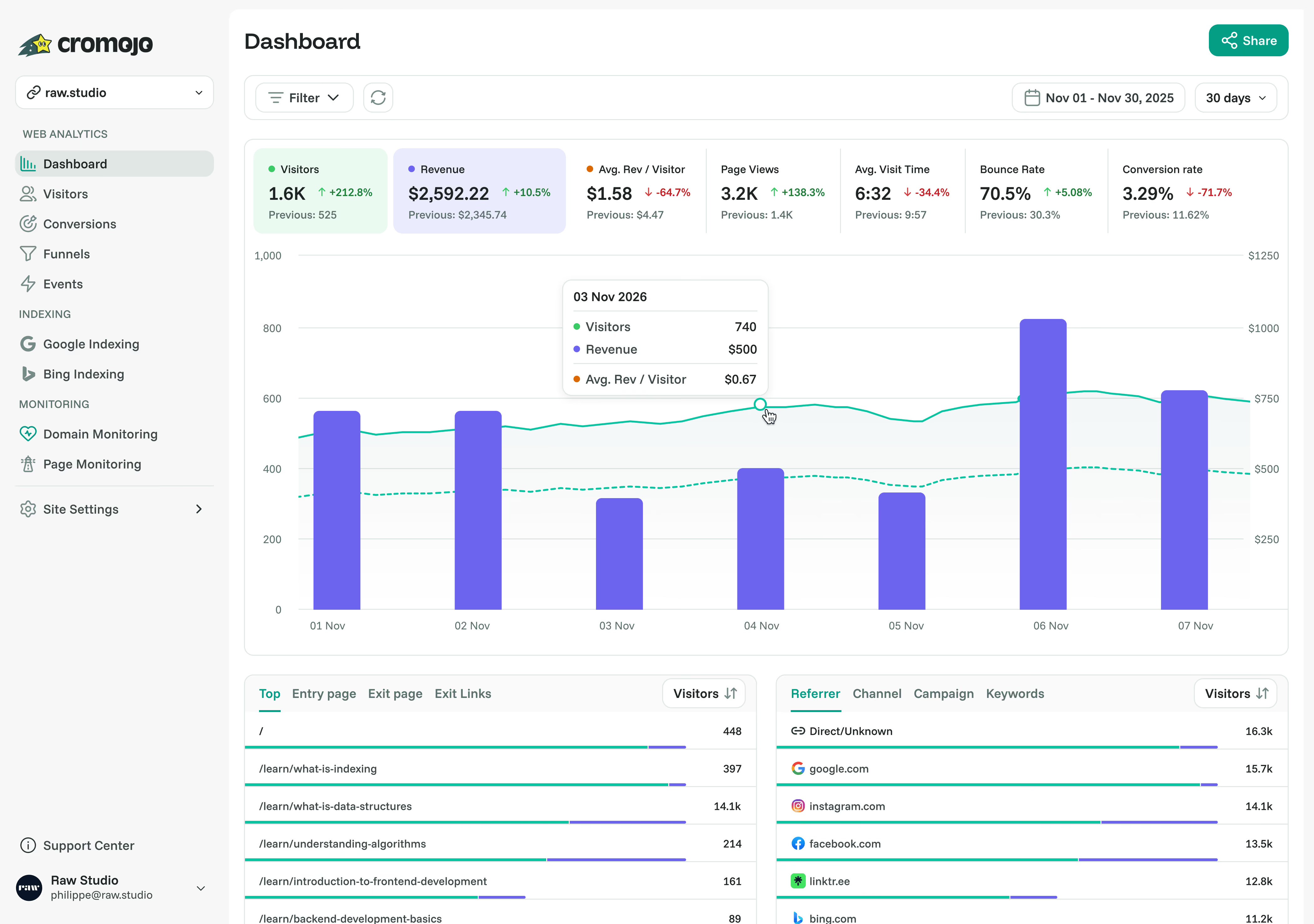
Dashboard

Share

Filter


Nov 01 - Nov 07, 2026
7 days


Visitors
1.6K
+212.8%
Previous: 525

Revenue
$2,592.22
+10.5%
Previous: $2,345.74

Avg. Rev / Visitor
$1.58

-64.7%
Previous: $4.47
Page Views
3.2K
+138.3%
Previous: 1.4K
Avg. Visit Time
6:32
-34.4%
Previous: 9:57
Bounce Rate
70.5%
+5.08%
Previous: 30.3%
Conversion rate
3.29%
-71.7%
Previous: 11.62%
What's different
TLDR;
PostHog is a powerful, open-source product analytics platform built for engineering and product teams: session replay, feature flags, experiments, surveys, and deep behavioural analytics in one developer-first suite.
Cromojo is built for a different job. It is a marketing and revenue analytics platform that ties your traffic and keywords to real sales, keeps your site indexed and monitored, and stays simple enough to use without a data team.
If you are an engineering team instrumenting a product and want to understand user behaviour in depth, PostHog is excellent. If you are a founder or marketer who needs to know which traffic drives revenue, and you want SEO, indexing, and site health in one place, Cromojo is built for you. Plenty of teams run both.
Cromojo is built for a different job. It is a marketing and revenue analytics platform that ties your traffic and keywords to real sales, keeps your site indexed and monitored, and stays simple enough to use without a data team.
If you are an engineering team instrumenting a product and want to understand user behaviour in depth, PostHog is excellent. If you are a founder or marketer who needs to know which traffic drives revenue, and you want SEO, indexing, and site health in one place, Cromojo is built for you. Plenty of teams run both.
Comparison Table
Features Cromojo has that PostHog does not.
Feature


Keyword-level revenue attribution
Connect individual search keywords to the revenue they generate.
—
Search Console keywords
See the search terms people find you with, inside your dashboard.
—
Automated indexing
Get your pages found across Google, Bing, and AI search.
—
Conversion funnels
Measure drop-off across a defined sequence of steps.
—
Uptime and site monitoring
Uptime, SSL, performance, and broken links, watched around the clock.
—
Cookieless, no consent banner
Private by default. PostHog uses cookies and identifies users by default.
—
Simple, no data team needed
Useful dashboards in minutes, where PostHog takes an engineer and weeks.
—
Real-time reporting
See live visitors and activity as it happens.
Conversion funnels
Measure drop-off across a defined sequence of steps.
Events and goals
Track signups, purchases, and key actions.
Revenue analytics
Track revenue, including from a Stripe connection.
UTM campaign tracking
Attribute traffic by source, medium, and campaign.
Session replay and heatmaps
Watch real sessions and see where users click.
In Roadmap
A/B testing and experiments
Test changes and measure statistical impact.
In Roadmap
Data warehouse and SQL
Query all your data and sync external sources.
—
Open-source and self-hostable
Public code you can run on your own infrastructure.
—
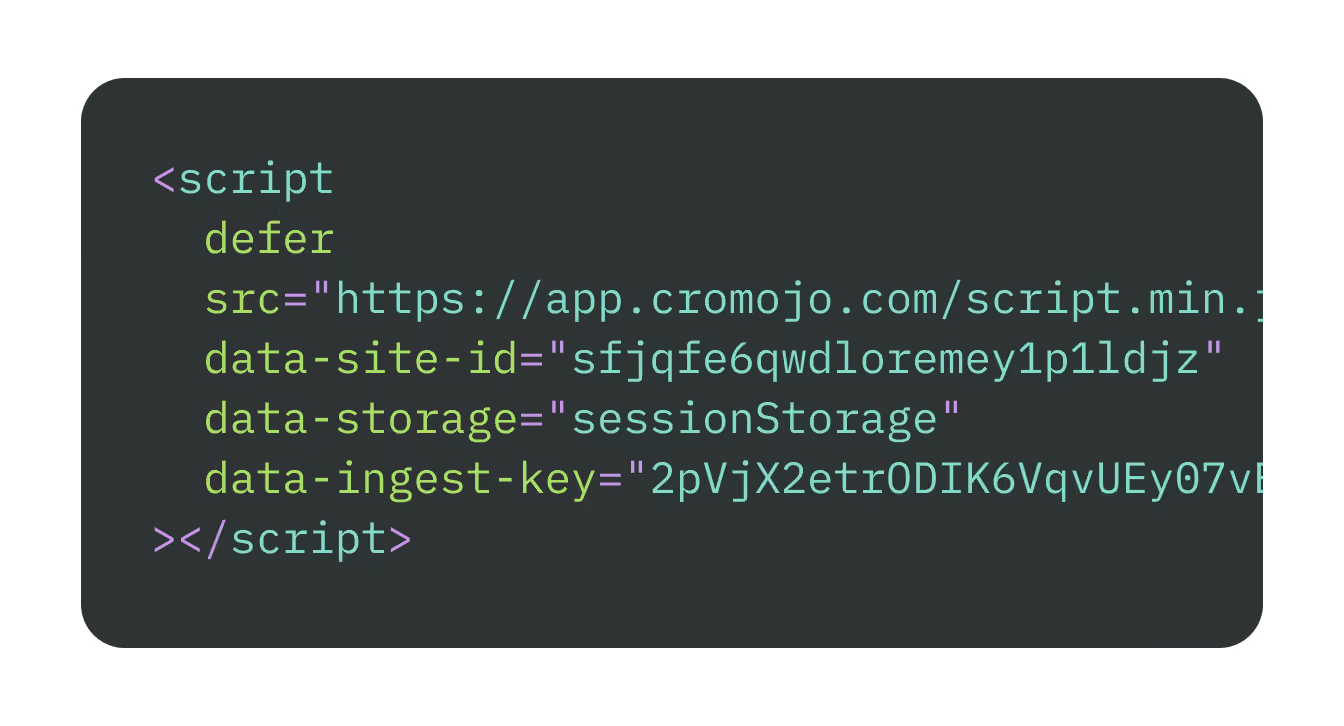
1
STEP 1
Add one snippet
A single lightweight script. No cookie banners, no consent friction. Our script in under < 15KB.
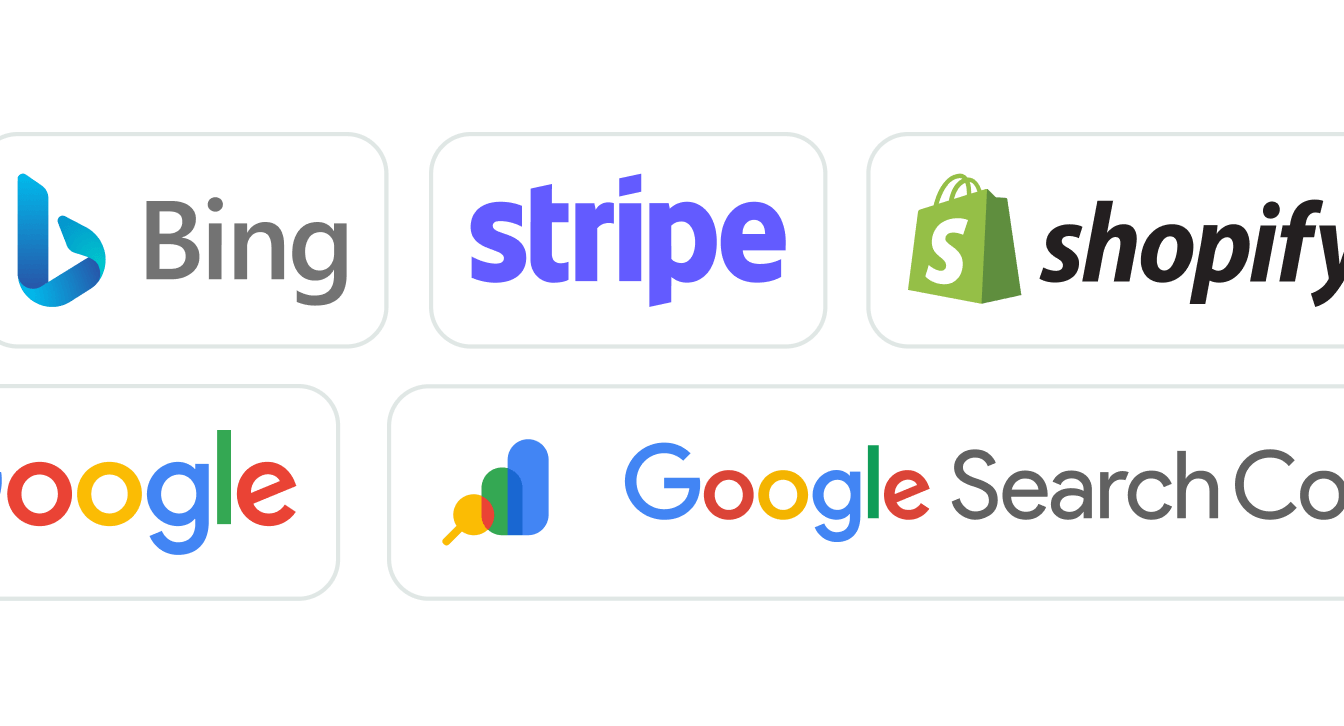
2
STEP 2
Connect your sources
Stripe, Shopify, Google Search Console, Bing. OAuth, a few clicks.
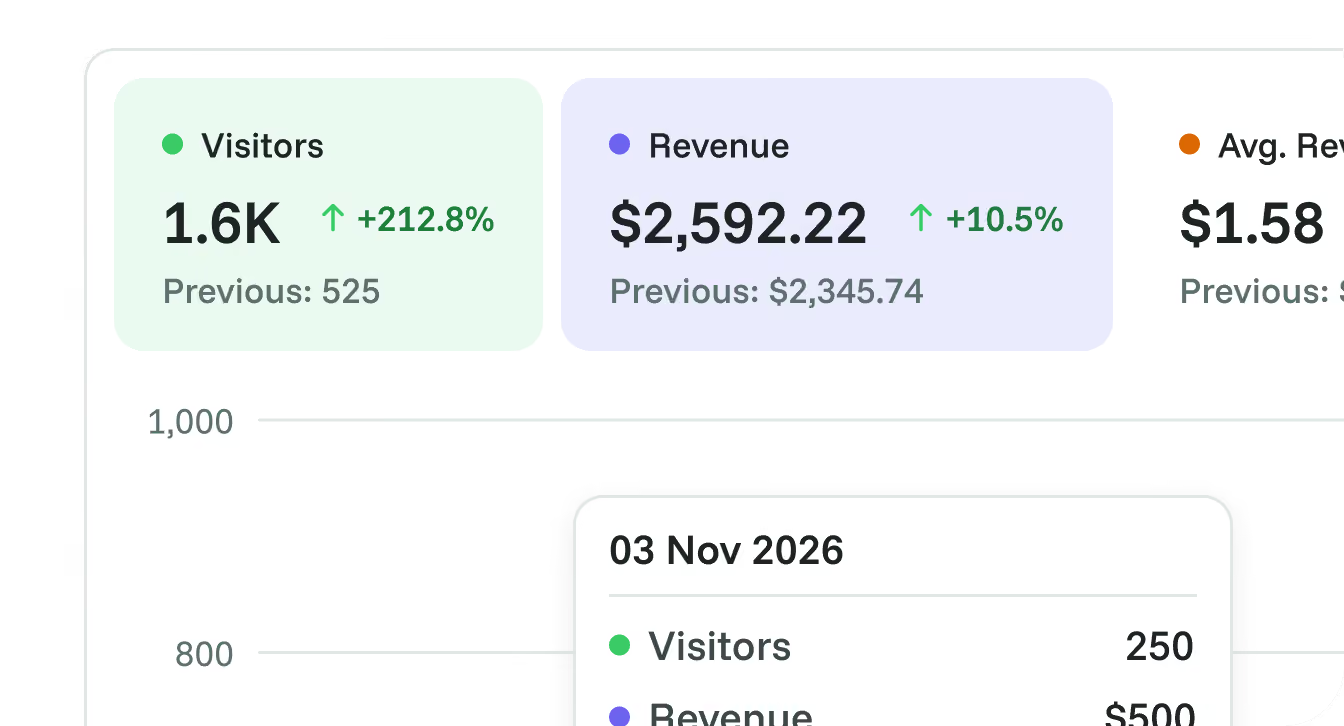
3
STEP 3
See what drives revenue
Keywords, pages, sources, and campaigns, each ranked by the real revenue behind them.
PACKED WITH FEATURES
Go deeper when you need to

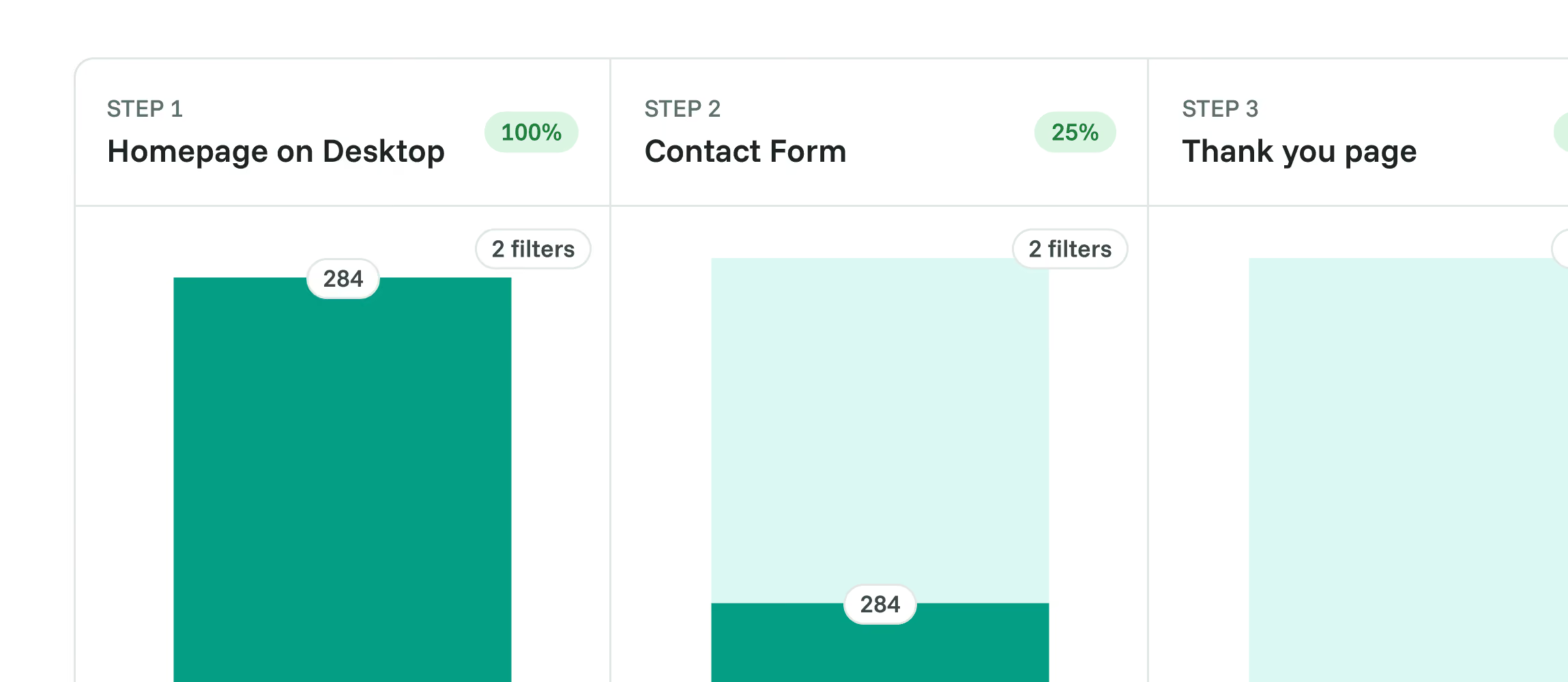
Conversion funnels
Multi-step funnels by page, event, or regex, with drop-off and revenue of completers at each stage.

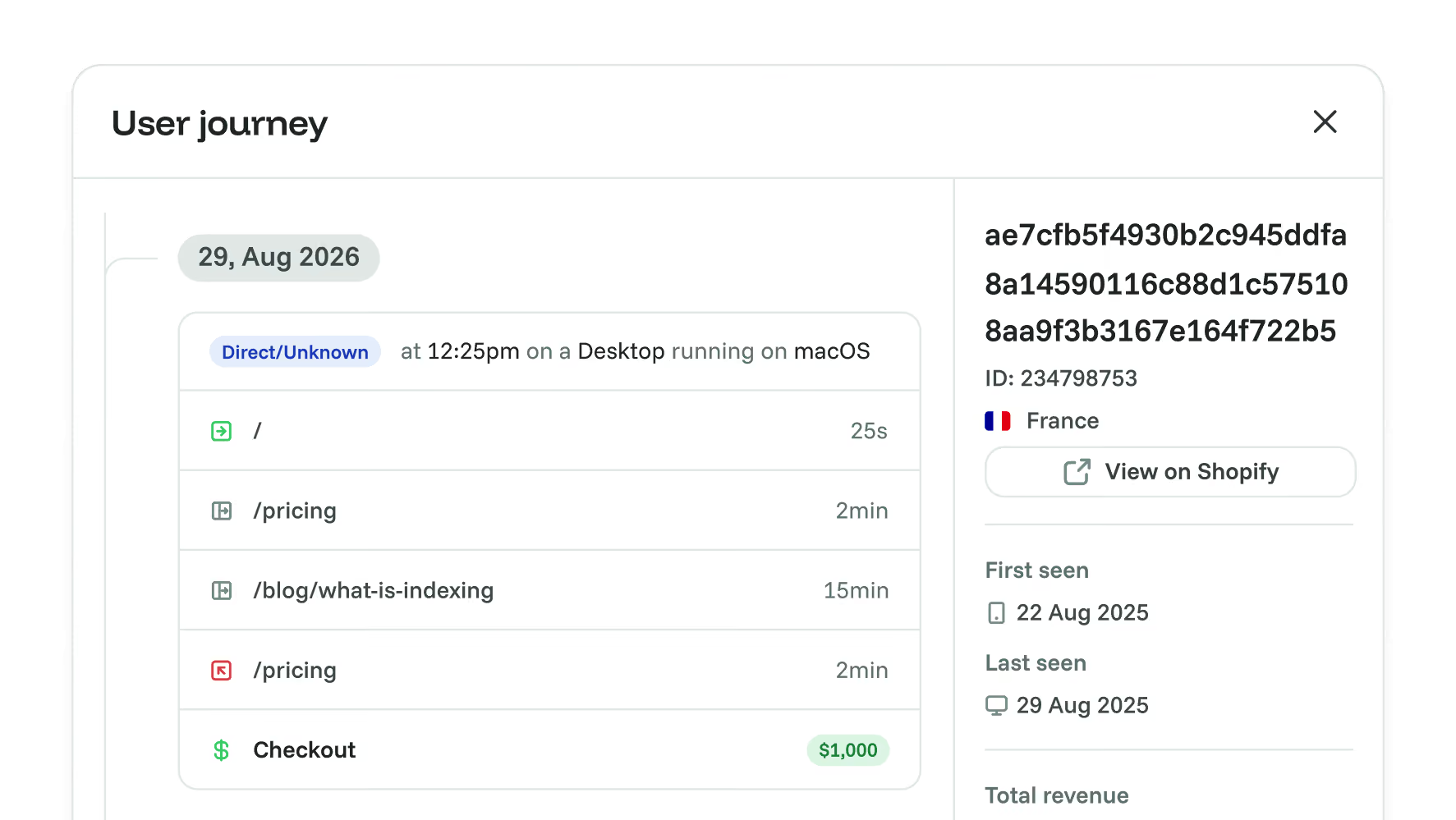
Visitor journeys
Session-by-session timeline for a single visitor, every page and event, plus the revenue they generated.

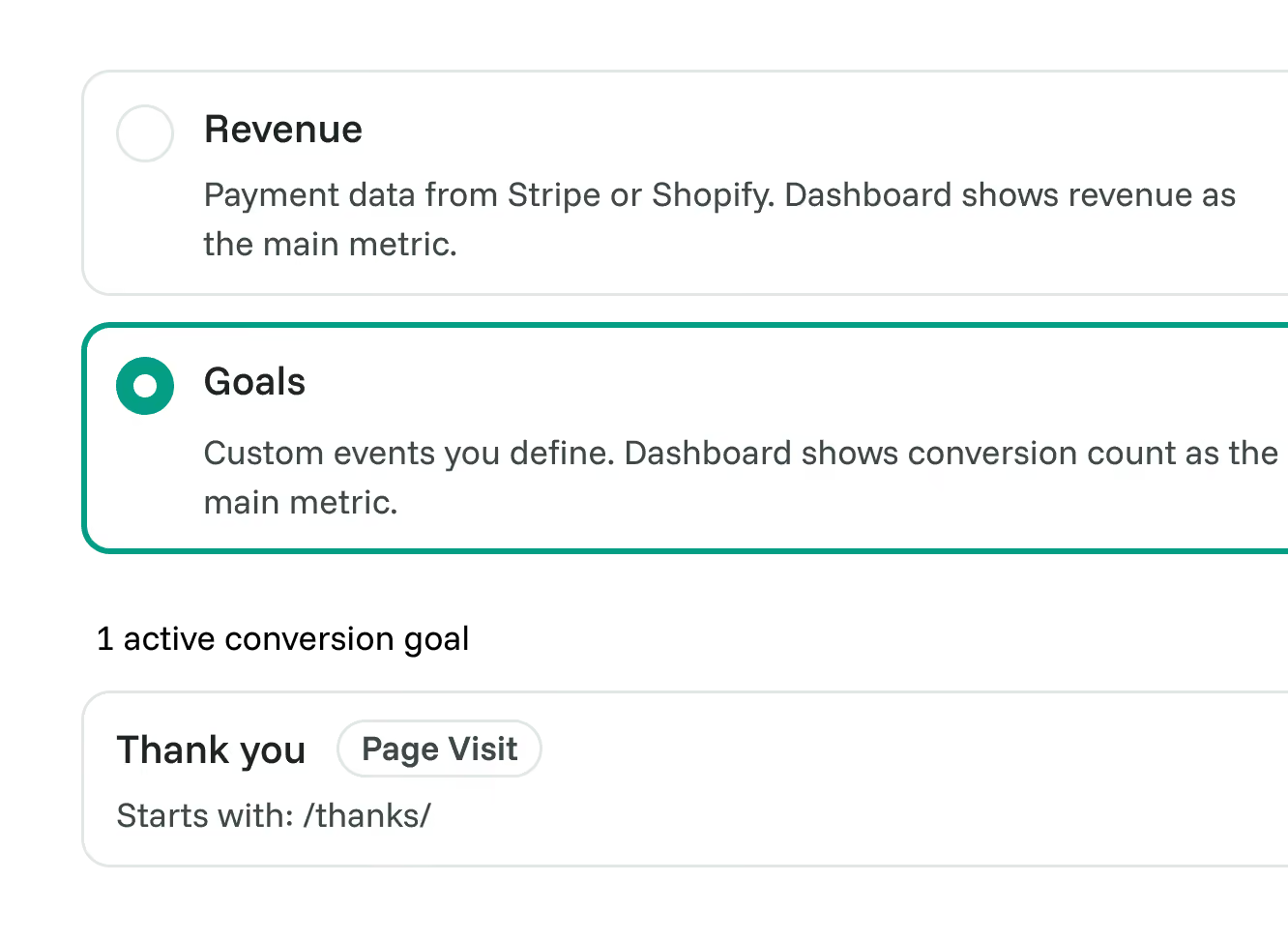
Goal tracking
Define goals by page visit or custom event

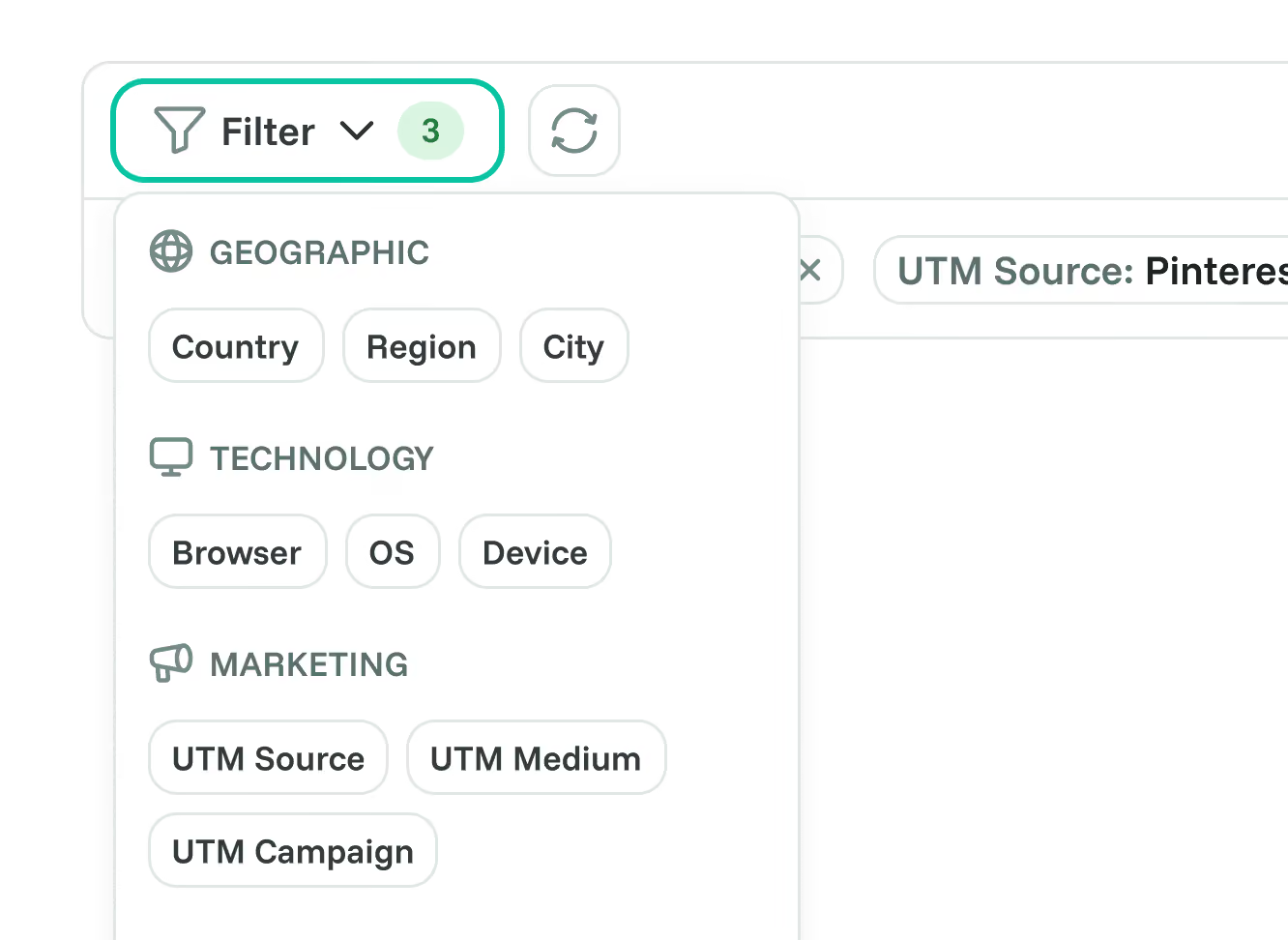
Advanced segmentation
Filter by any dimension; isolate converted visitors or high-value segments by min/max revenue

Custom events
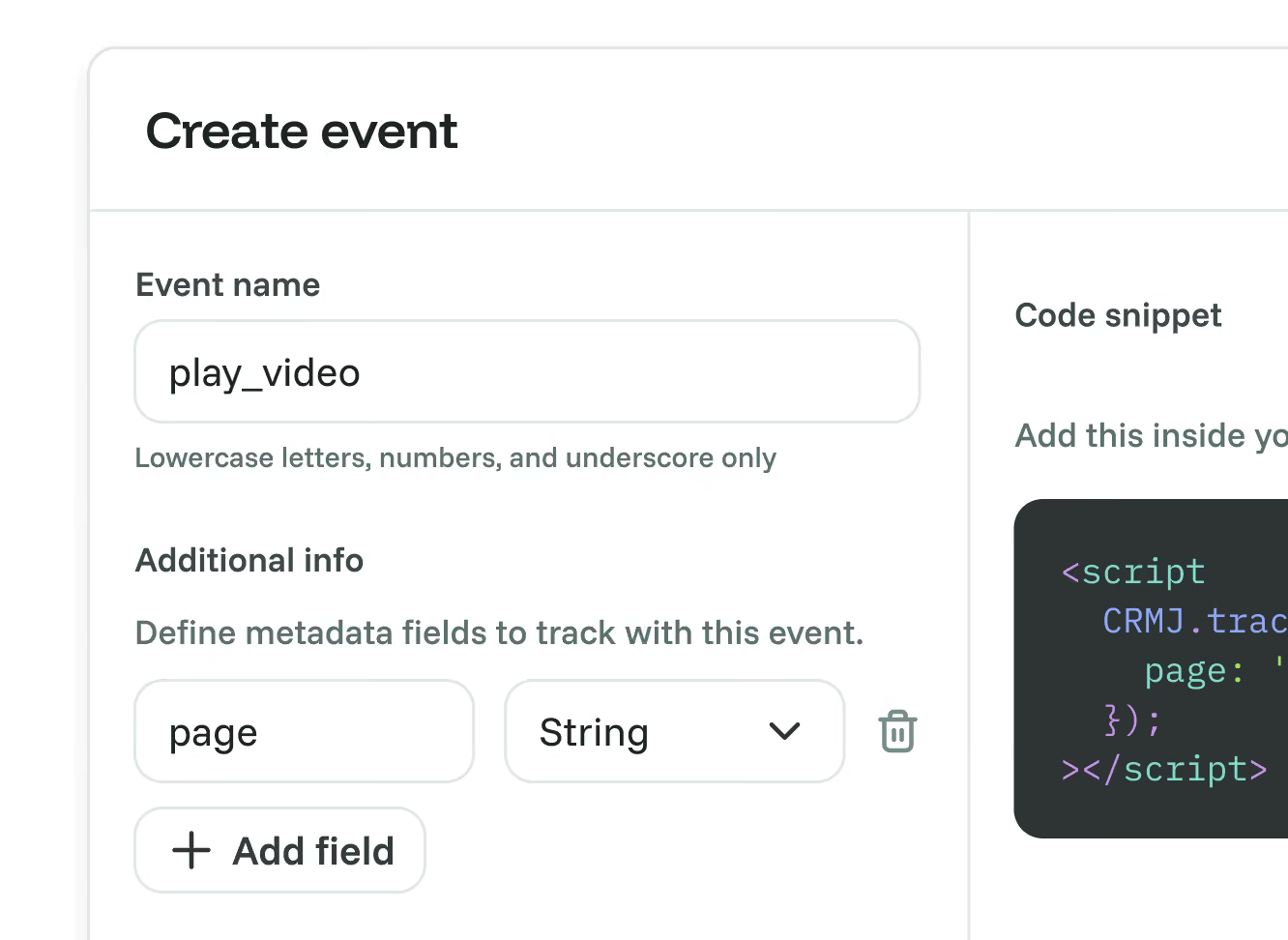
Track any frontend interaction with a copy-paste snippet, and mark events as conversions.
Side by SIde
When to choose PostHog, and when to choose Cromojo.
Choose PostHog if:
- You are an engineering or product team instrumenting an app.
- You want session replay, feature flags, and experiments.
- You need deep behavioural analytics: retention, cohorts, and user paths.
- You want an open-source platform you can self-host.
Choose
if:
- You want to know which keywords and campaigns drive revenue.
- You want SEO tools, Search Console keywords and automated indexing, built in.
- You want site monitoring: uptime, SSL, and performance.
- You want simple, privacy-first analytics with no cookie banner and no data team.
Frequently asked questions
Quick answers on features, setup, and plans. For anything deeper, see our docs.
Grow your conversion
Conversion optimisation made simple
Rated 4.7 stars on G2

Featured on