
.avif)

In 2026, digital marketing is all about precision. Instead of relying on assumptions, campaigns are built on real user data. Every click and interaction matters, and the fastest-growing businesses are those that know how to read this information. Modern web analytics tools are at the heart of this change.
Web analytics has moved beyond just tracking website traffic. Today’s platforms not only show how many visitors you have, but also help explain why users act the way they do and what steps to take next. This shift matters because growth comes from insights, not just raw data.
With more competition and changing privacy rules, picking the right web analytics tool is now a key decision for marketers. The Top 5 Web Analytics Tools here stand out in 2026 because they help businesses turn data into real results.
Cromojo - A Smarter Approach to Web Analytics
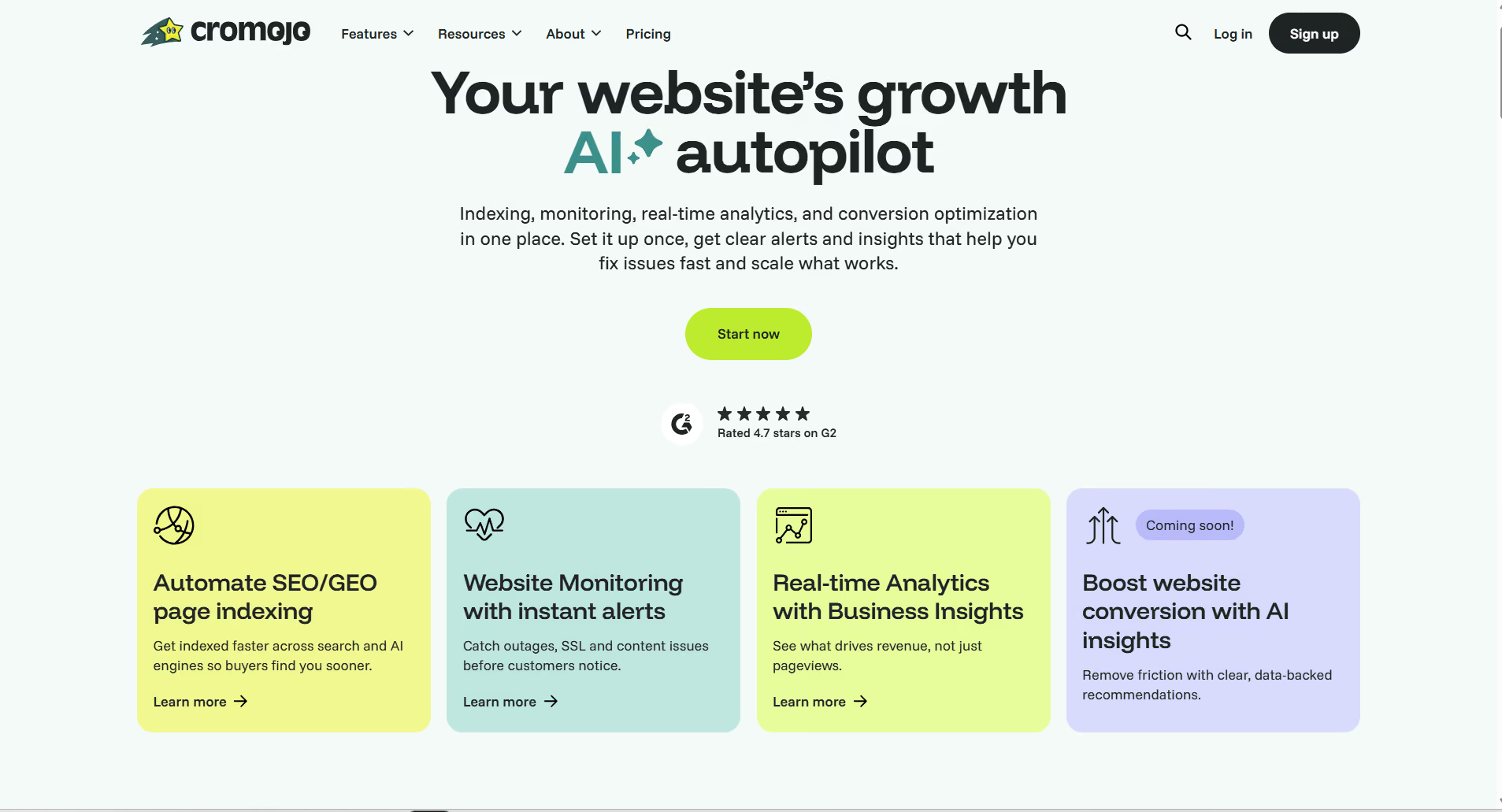
Cromojo is part of a new wave of analytics platforms that takes a different approach. Rather than giving users crowded dashboards with lots of separate metrics, it focuses on clear guidance.
Cromojo is designed to make data helpful, not confusing. Traditional platforms often make users interpret charts and connect different data points before making decisions. Cromojo makes things easier by highlighting insights you can act on right away.
This platform is great for marketers who need to move quickly. Instead of spending hours on reports, users can quickly see which channels work, where conversions drop off, and what changes will make the biggest difference.
Another defining aspect of Cromojo is its emphasis on usability. Cromojo also stands out for being easy to use. Its clean and simple interface is made for people who want answers without needing technical skills. This makes it a good fit for both experienced marketers and small teams without dedicated analysts. ability to bridge the gap between data and execution. It does not simply show what is happening; it helps you understand what to do about it. In a landscape where time and attention are limited, that difference is significant.
Google Analytics 4 - The Established Standard
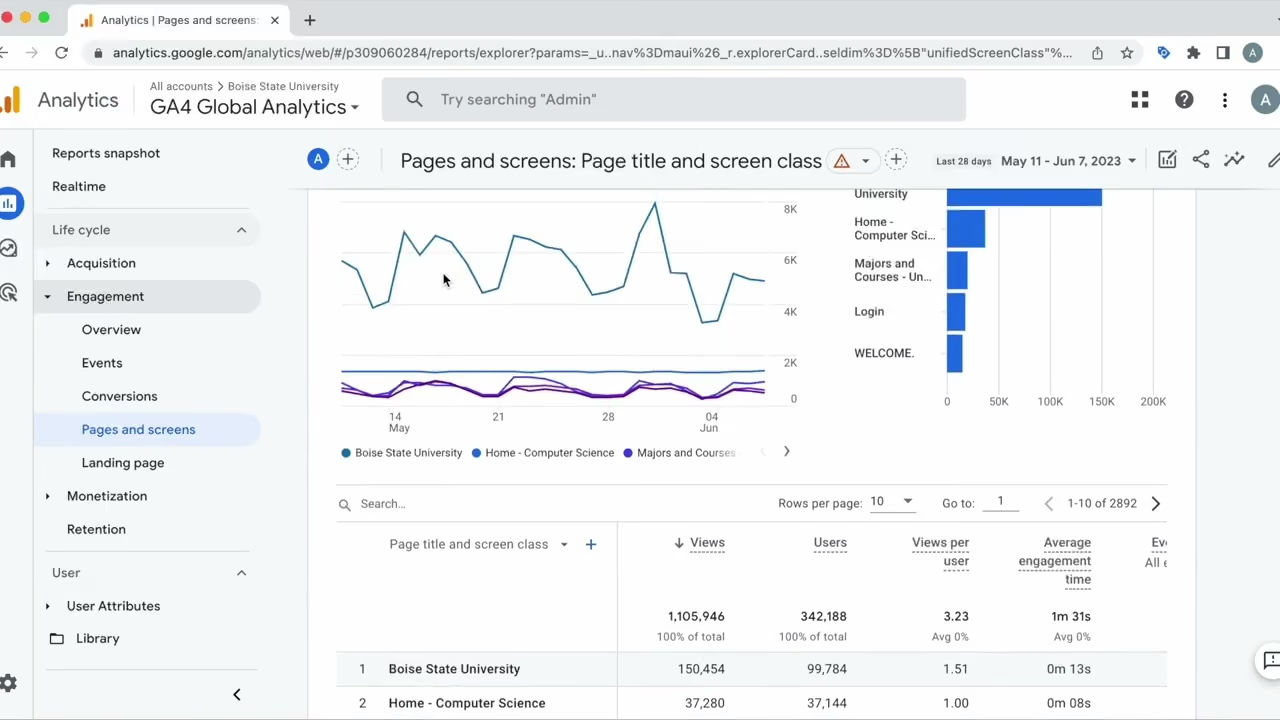
No discussion about a web analytics tool would be complete without Google Analytics 4. Despite the rise of newer platforms, it remains deeply embedded in the digital marketing ecosystem.
GA4 represents a shift from session-based tracking to an event-driven model, allowing businesses to capture more detailed interactions across websites and applications. This makes it particularly valuable for understanding user journeys that span multiple devices and touchpoints.
Still, GA4 can be hard to use. Many people spend a lot of time learning how to set up reports and understand the data. Experienced analysts may like this flexibility, but it can be a challenge for others.
Even so, GA4 stays important because it works well with other Google services. For businesses already using Google Ads or other Google tools, this connection is hard to match.
In 2026, Google Analytics 4 is still a key web analytics tool, especially for organizations that need a complete and customizable solution.
Mixpanel - Understanding Behavior at a Deeper Level
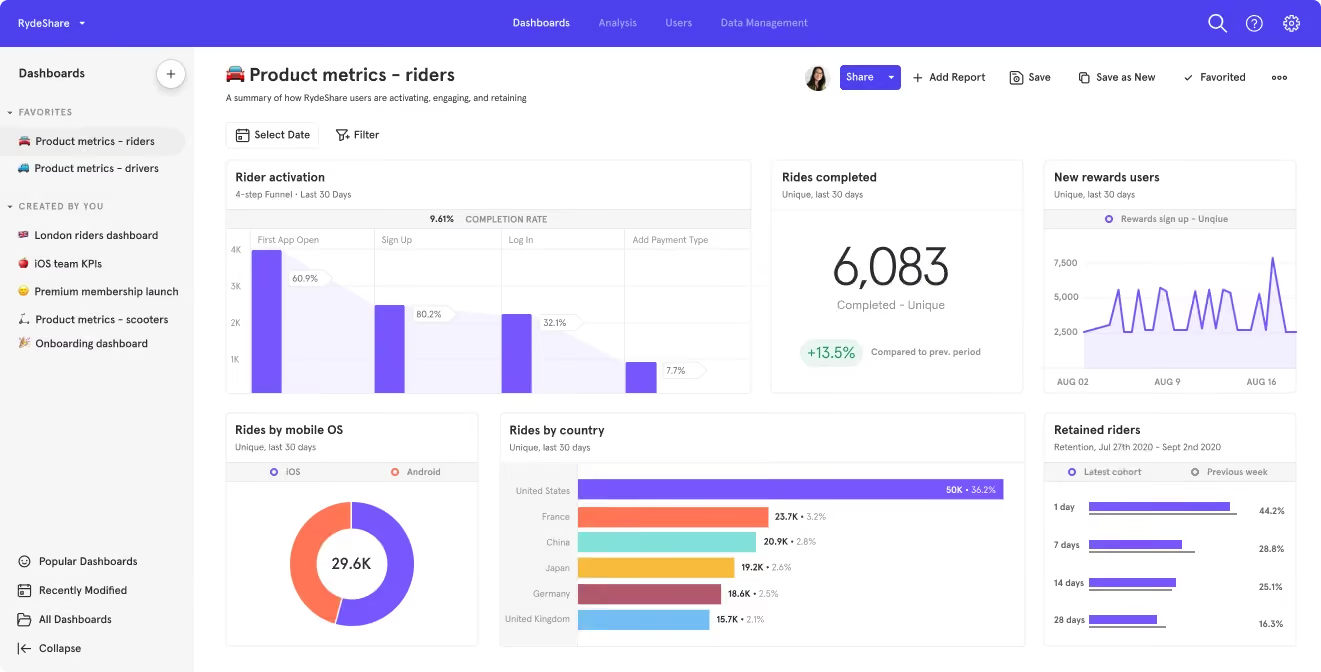
While many platforms focus on traffic and acquisition, Mixpanel approaches analytics from a behavioral perspective. It is designed to answer a different kind of question: not just how users arrive, but how they engage.
This distinction makes Mixpanel especially valuable for SaaS companies and digital products where user interaction is central to growth. By tracking events rather than sessions, it allows businesses to see how individuals move through a product, where they encounter friction, and what keeps them coming back.
Mixpanel’s strength is showing patterns over time. Instead of just looking at single metrics, it helps marketers see retention, engagement, and long-term value. These insights matter for companies that depend on ongoing user relationships.
But this depth also means more complexity. Setting up good tracking takes planning, and understanding the data can be tough without experience. For teams willing to put in the work, the rewards are worth it.
As a web analytics tool, Mixpanel excels in scenarios where understanding user behavior is more important than simply measuring traffic.
Adobe Analytics - Power and Precision for Enterprises
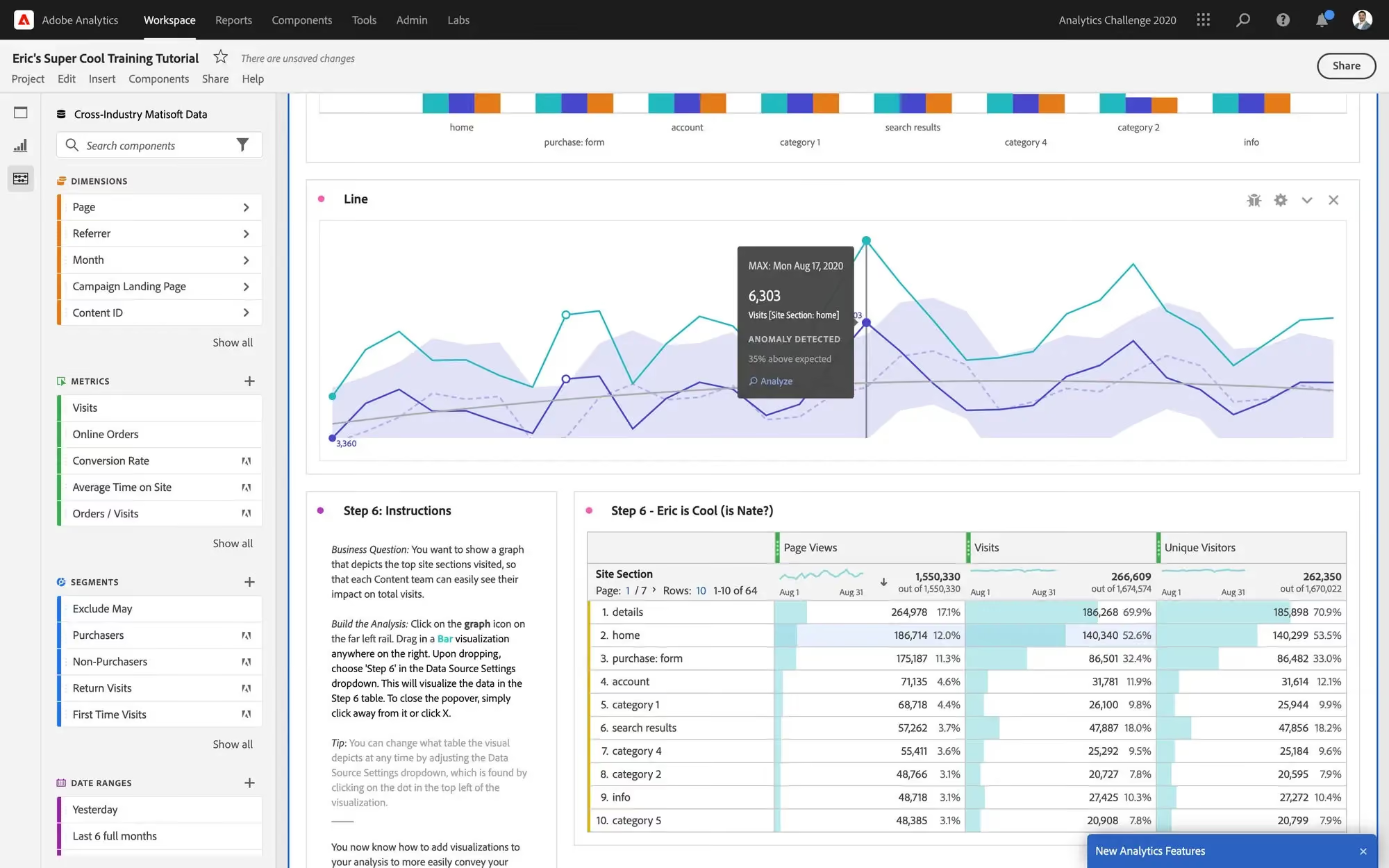
At the enterprise level, Adobe Analytics continues to set the standard for advanced data analysis. It is a platform built for scale, capable of handling large volumes of data across multiple channels and touchpoints.
Adobe Analytics stands out for its customization. Companies can create detailed segments, build complex models, and make reports that fit their needs. This is especially useful for businesses with advanced marketing teams.
The platform also includes predictive features, so businesses can spot trends before they happen. In fast-changing markets, this helps companies stay ahead.
However, Adobe Analytics can be expensive and requires expertise to use well. This puts it out of reach for many small teams. For large organizations with the right resources, it is still one of the best options.
Hotjar - Bringing Context to Data
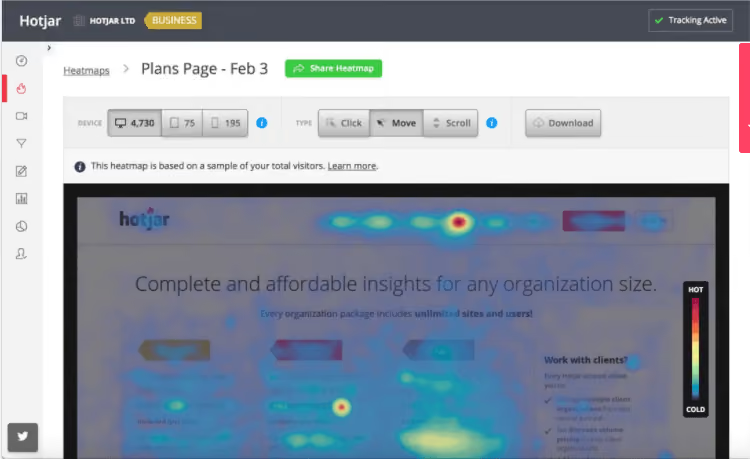
Most analytics tools focus on numbers, but Hotjar shows user behavior visually. It works alongside other tools to show how people really use a website.
With features like heatmaps and session recordings, Hotjar lets you see where users click, how far they scroll, and where they have trouble. This gives extra context that standard reports often miss.
Knowing a page has a high bounce rate is helpful, but seeing exactly where users lose interest is even better. This is where Hotjar is most useful.
Hotjar doesn’t replace your main analytics too;, it workswith ite. Together, theygive both numbers and context, helpwing businesses makebetter choicens about design and user experienc.e.
As competition for attention grows in 2026, tools that improve user experience become even more important. Hotjar meets this need well.
The Direction of Web Analytics in 2026
Web analytics tools are changing in a few clear ways. One big trend is the shift to automation and artificial intelligence. Modern platforms now interpret data, offer recommendations, and point out opportunities that might be missed otherwise.
Privacy concerns are also changing how data is collected and used. With stricter rules and new user expectations, businesses now focus more on first-party data and clear tracking methods.
Speed is also key. Marketers need real-time insights because decision-making is faster now. Waiting days for reports doesn’t work in today’s digital world.
These changes affect how platforms are built and used. The best tools make things simpler and clearer, so businesses can act fast and with confidence.
Choosing the Right Web Analytics Tool
Choosing the right platform depends on your business goals. Some companies want deep customization and can handle complexity. Others prefer simple, fast tools that give clear answers without extra hassle.
It’s clear that analytics are valuable not because of how much data you collect, but how well you use it. A tool that gives a few strong insights is often better than one with endless reports.
That’s why newer platforms like Cromojo are getting noticed. They focus on useful insights instead of just raw numbers, which fits how today’s marketers operate.
Conclusion
Web analytics tools have grown in importance over the years. They are now a key part of strategy and decision-making, not just for reporting.
Each platform in this list offers something unique. Google Analytics 4 gives depth and integration, Mixpanel offers behavioral insights, Adobe Analytics brings enterprise power, and Hotjar adds visual context.
But Cromojo stands out because it makes complex data simple and turns it into clear actions. In today’s fast-paced digital world, this is more valuable than ever.
As businesses deal with a world driven by data, the tools they pick will shape their success. The right web analytics tool doesn’t just measure performance, it helps create it.