

.avif)

Knowing how visitors use your website is key to growing your online business. No matter if you run an e-commerce store, SaaS platform, blog, or marketing agency, data helps you make better decisions. The best part is, you do not always need costly software to get valuable insights.
Today, many platforms offer free plans that let website owners access useful analytics, user behavior data, traffic sources, and conversion tracking. In 2026, analytics tools keep changing, especially as privacy, data ownership, and simplicity become bigger concerns.
This guide covers the 10 best free web analytics tools to use in 2026. We will highlight their main features, benefits, and what makes each one unique.
1. Cromojo
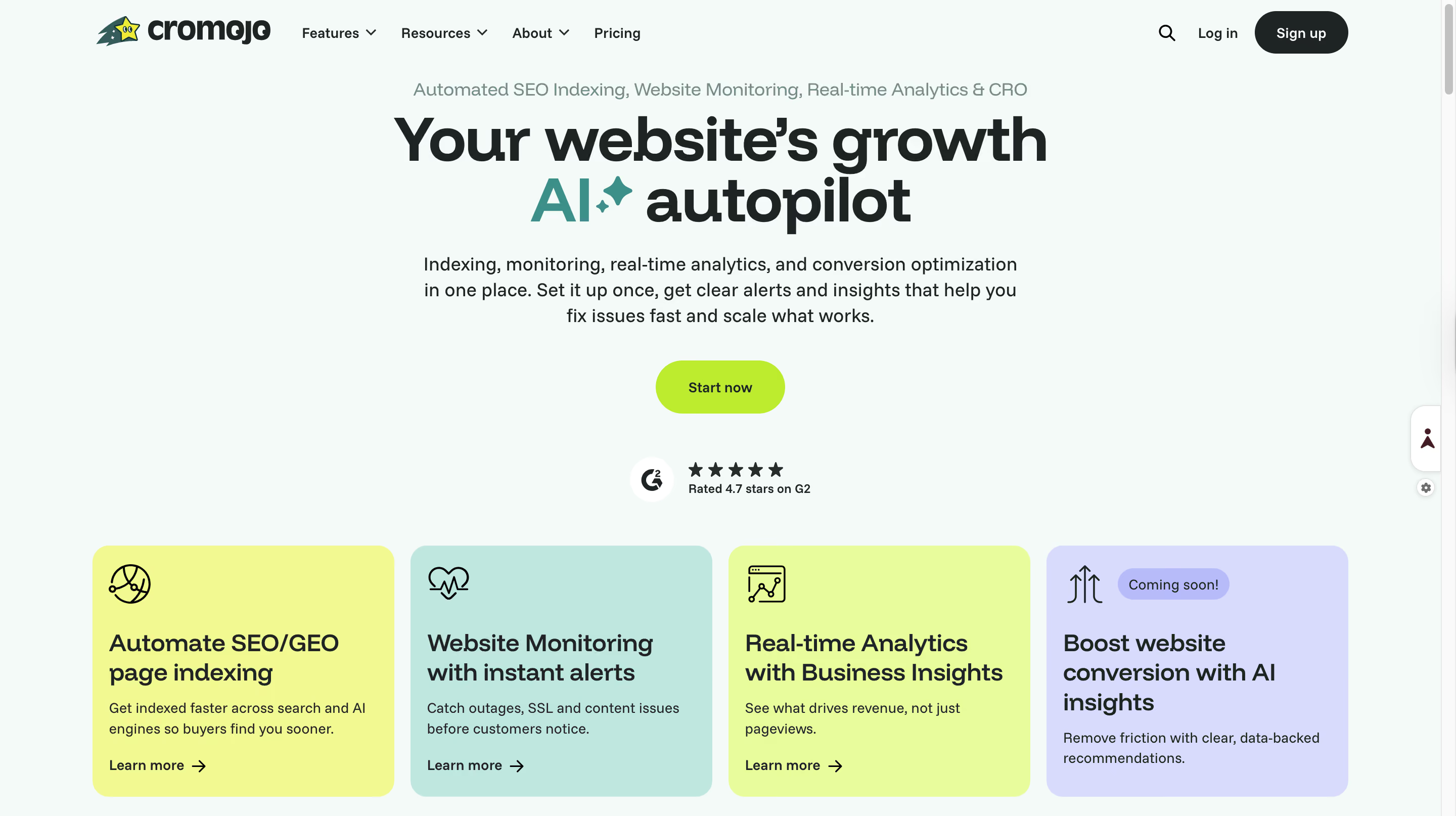
Cromojo is a modern analytics platform focused on simplicity, performance insights, and actionable data. It stands out as one of the most promising free web analytics tools available today.
Cromojo focuses on delivering clear, easy-to-understand analytics that help businesses track website performance without overwhelming users with unnecessary complexity. Unlike traditional analytics tools that bury insights under layers of reports, Cromojo presents data in a way that helps you immediately understand what is happening on your site.
A major strength of Cromojo is its lightweight tracking system. It is built to avoid slowing down websites while still collecting useful behavioral and performance data. This makes it a good choice for startups, small businesses, and creators who want analytics without hurting page speed.
Another big benefit is its user-friendly dashboard. Rather than making users search through many menus, Cromojo highlights the most important metrics:
- Traffic sources
- Visitor behavior
- Conversion tracking
- Page performance
- Engagement metrics
This streamlined approach allows marketers and founders to quickly identify what is working and what needs improvement.
Privacy is now a major concern in analytics. Cromojo meets modern privacy standards by reducing intrusive tracking and focusing on responsible data use. For businesses that want insights without depending on third-party cookies, it is a strong option.
Cromojo is especially useful for:
- Bloggers and content creators
- SaaS founders
- Online businesses
- Digital marketers
- Agencies managing multiple sites
By balancing simplicity with useful insights, Cromojo earns the top spot among the best free web analytics tools for 2026.
2. Google Analytics 4
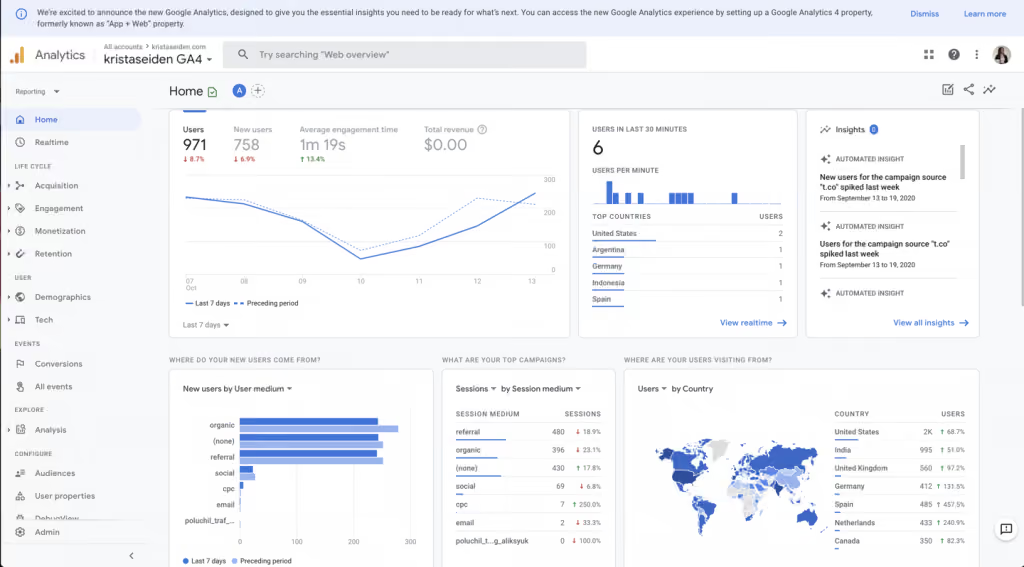
Google Analytics has led the web analytics field for years, and Google Analytics 4 (GA4) is still one of the most widely used tools in 2026.
GA4 represents a major shift from the traditional Universal Analytics model. Instead of focusing primarily on pageviews and sessions, GA4 emphasizes event-based tracking, allowing businesses to measure specific interactions such as button clicks, video plays, purchases, and sign-ups.
Some of the most powerful features of GA4 include:
- Advanced event tracking
- AI-powered insights
- Predictive analytics
- Cross-device tracking
- Integration with Google Ads
One of the biggest advantages of GA4 is its deep integration with the Google ecosystem. Businesses that rely on Google Ads, Search Console, or BigQuery can connect their analytics data seamlessly.
However, GA4 can be harder to learn than many newer tools. Its interface and data setup may seem complex for beginners. Still, it is a powerful free analytics option for companies that need detailed data analysis.
For organizations that want advanced insights and can handle its complexity, GA4 remains one of the best free web analytics tools to use in 2026.
3. Plausible Analytics
Plausible Analytics has become popular quickly because it focuses on privacy and simplicity.
Unlike traditional analytics tools that collect a lot of personal data, Plausible is built to meet strict privacy rules like GDPR and PECR. It does not use cookies, which makes it attractive for companies that want to avoid compliance issues.
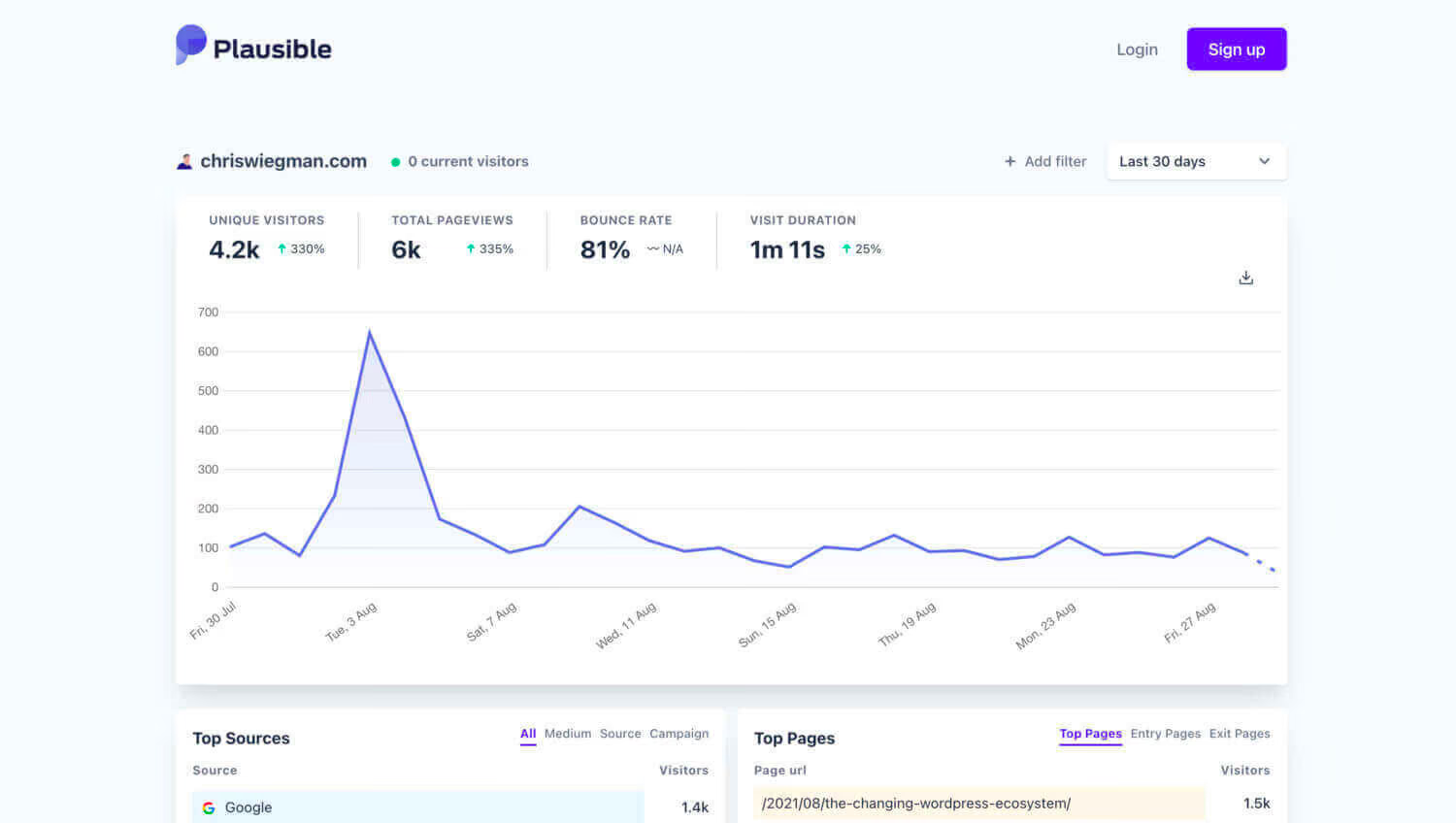
The Plausible dashboard is very simple. Instead of many reports, users see one screen with key metrics like:
- Unique visitors
- Pageviews
- Bounce rate
- Traffic sources
- Top pages
- Conversion goals
This simple design helps website owners quickly understand performance without spending hours on complex data.
Another benefit is Plausible’s lightweight script, which keeps websites fast and improves user experience.
While the full version is paid, Plausible still has limited free options for developers and open-source projects, making it useful for some situations.
For businesses that value privacy and simplicity, Plausible is one of the best free web analytics tools to use in 2026.
4. Matomo
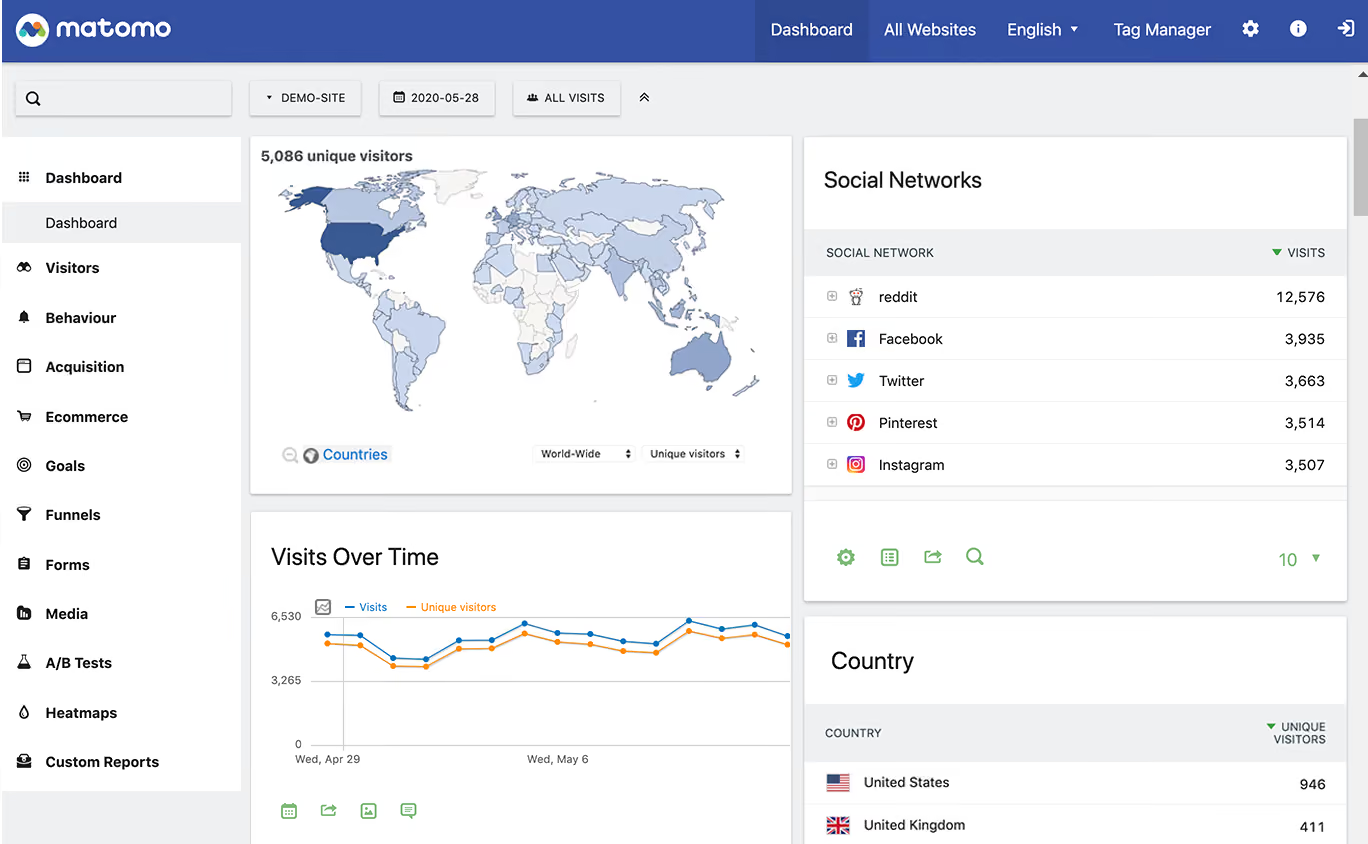
Matomo is a powerful open-source analytics platform. Previously called Piwik, it has become a trusted alternative to Google Analytics for businesses that want full control over their data.
A major advantage of Matomo is that you can self-host it. Instead of storing analytics data on a third-party server, companies can use their own servers. This lets organizations keep full ownership of user data.
Matomo provides a wide range of features, including:
- Real-time analytics
- Heatmaps
- Session recordings
- Goal tracking
- E-commerce analytics
- Custom reports
Because of its flexibility and customization options, Matomo is widely used by governments, universities, and privacy-conscious companies.
However, self-hosting Matomo does require some technical skills, especially for managing servers or setting up advanced tracking.
Even with the setup complexity, Matomo is still one of the best free web analytics tools for 2026, especially for organizations that want control over their data.
5. Clicky
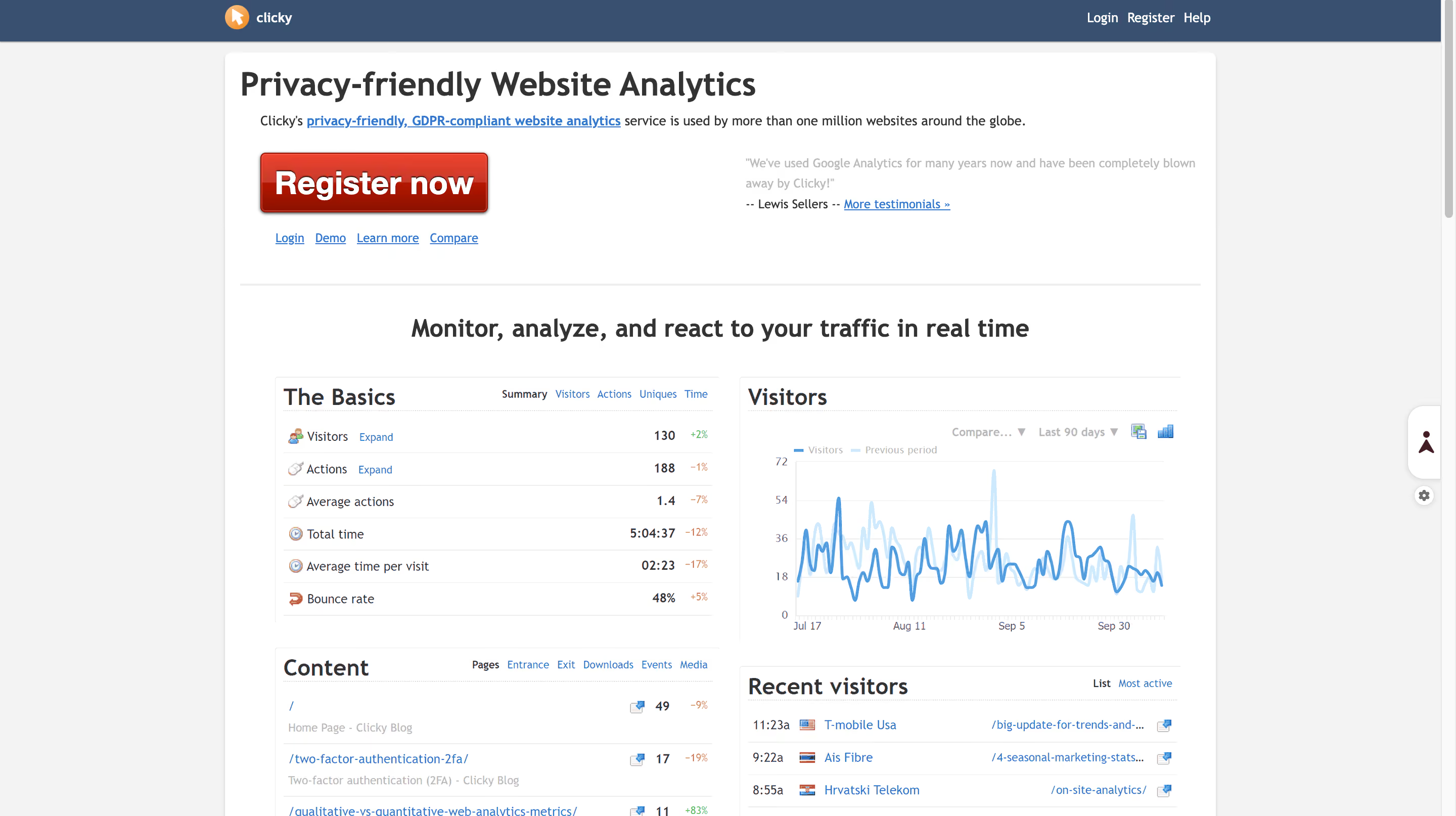
Clicky is another analytics platform that has stayed popular because of its real-time analytics features.
While many analytics tools update reports every few hours, Clicky lets users see what is happening on their website right away. This is especially helpful for marketers running live campaigns, product launches, or viral content.
Clicky’s dashboard provides insights such as:
- Real-time visitor activity
- Individual user tracking
- Heatmaps
- Goal tracking
- Uptime monitoring
The platform also lets you analyze what individual visitors do, which can give you valuable insights into their behavior.
Although its interface may look a bit old compared to newer platforms, Clicky still offers a strong free plan for smaller websites.
For users who want real-time insights and visitor-level data, Clicky remains one of the best free web analytics tools for 2026.
6. Open Web Analytics
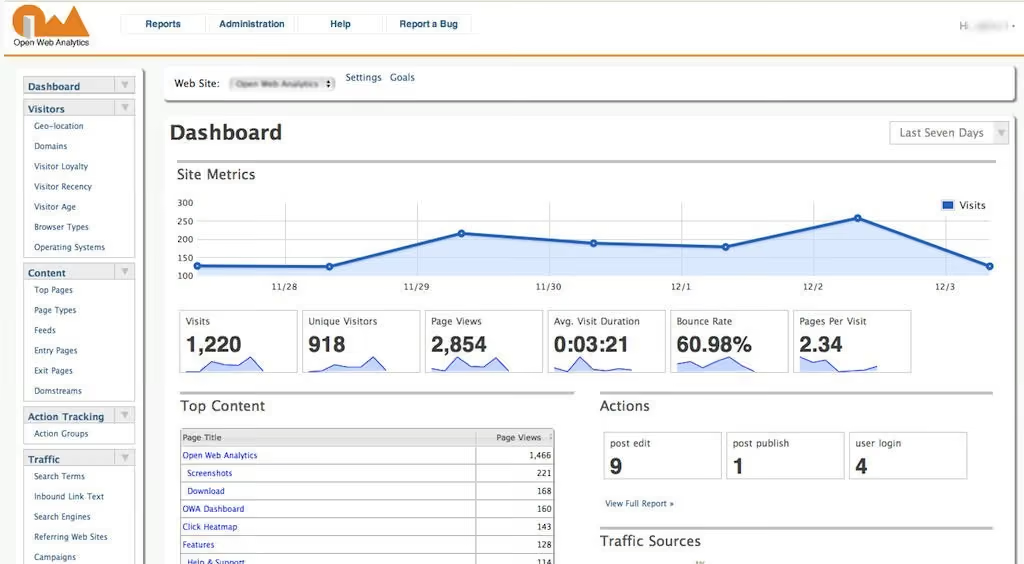
Open Web Analytics (OWA) is an open-source analytics tool that lets website owners track and analyze user behavior with full transparency.
Like Matomo, OWA lets users self-host their analytics, so data stays under your control instead of going to outside providers.
OWA includes many features commonly found in premium analytics platforms, including:
- Clickstream tracking
- Heatmaps
- Goal conversions
- E-commerce analytics
- Custom event tracking
Since it is open-source, developers can customize the platform for their needs. This flexibility is great for tech-savvy teams or companies with development resources.
The downside is that OWA needs some technical setup and maintenance. Still, for users who want open-source solutions and control over their data, it is a strong choice among the best free web analytics tools for 2026.
7. Fathom Analytics (Lite Options)
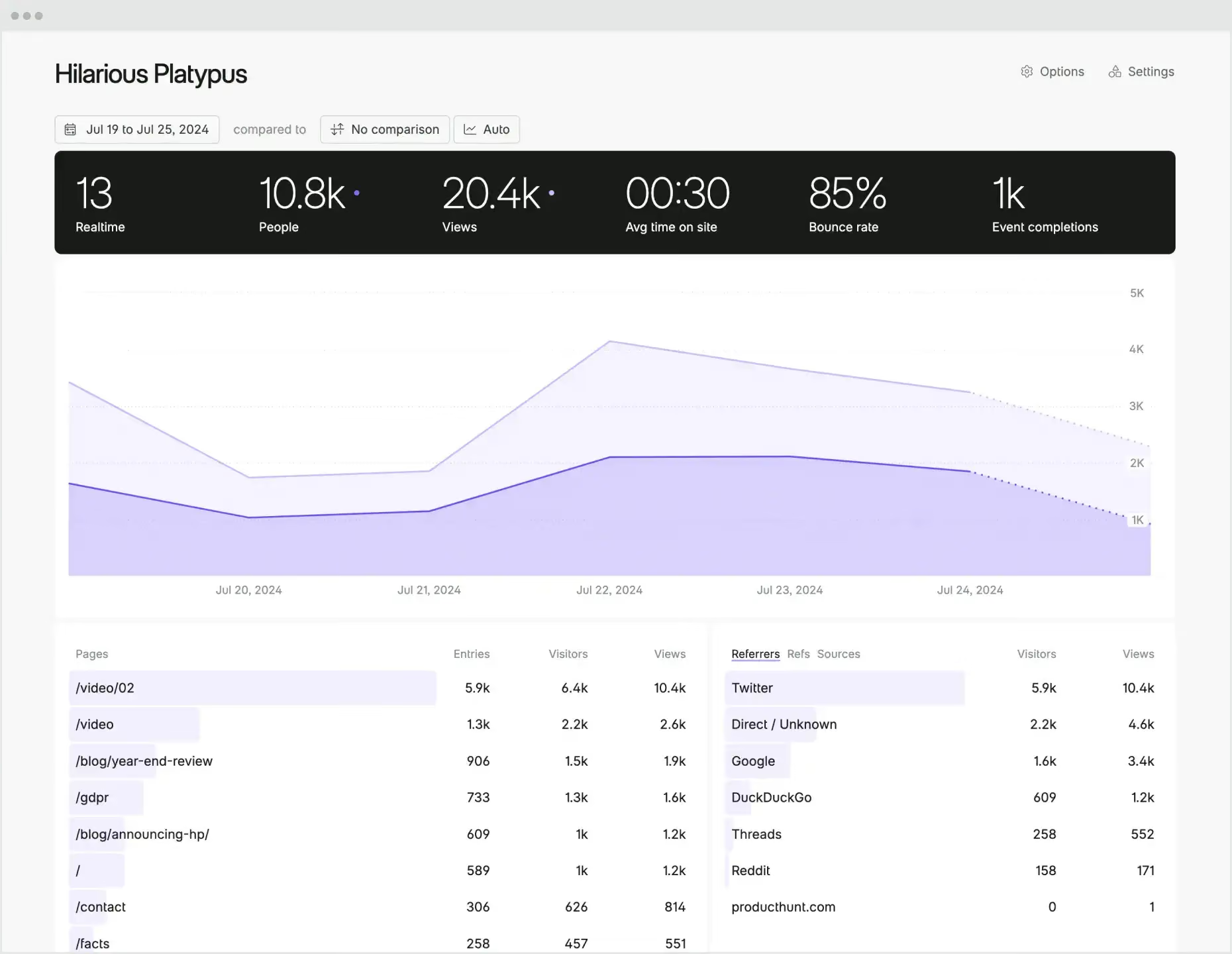
Fathom Analytics is well known for its privacy-focused approach and clean design.
Unlike traditional analytics platforms that track detailed personal data, Fathom puts anonymity first while still giving useful insights into website performance.
Key features include:
- Privacy-friendly tracking
- Cookie-free analytics
- Simple dashboard
- Fast script performance
- GDPR compliance
Fathom’s interface is one of the easiest to use. Website owners can quickly see traffic patterns without dealing with complex reports.
Although Fathom is mainly a paid tool, some limited or developer-friendly versions are available for smaller projects.
For users who want simplicity and privacy more than deep technical analytics, Fathom is still one of the best free web analytics tools for 2026.
8. Microsoft Clarity
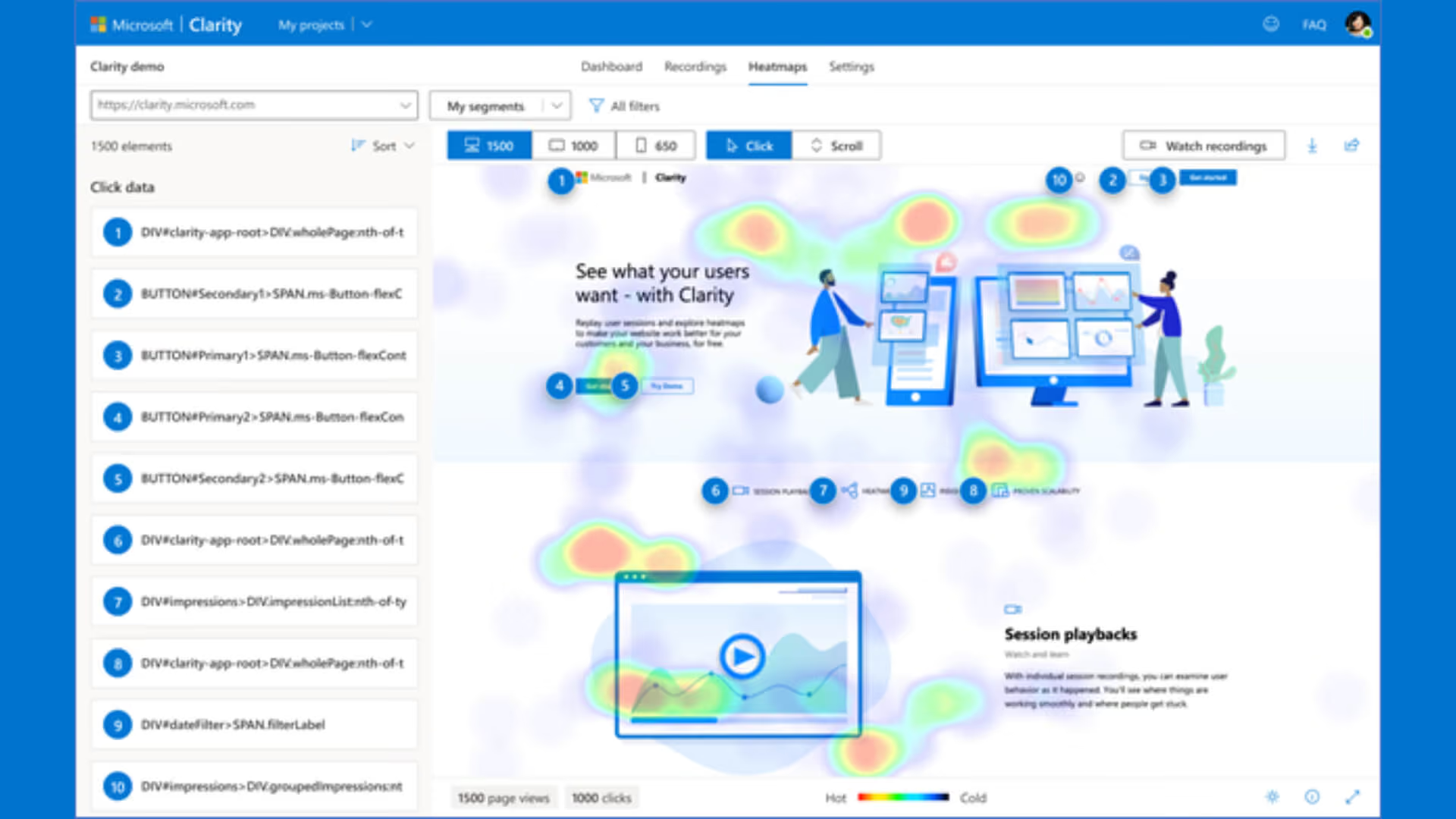
Microsoft Clarity offers something most free analytics platforms do not: unlimited heatmaps and session recordings.
This makes Clarity very valuable for understanding how visitors interact with your website.
With Clarity, you can see:
- Where users click
- How far they scroll
- What elements attract attention
- Where visitors get stuck or confused
Session recordings let you watch real user interactions with your website, which can reveal usability issues that traditional analytics might miss.
Another benefit is that Clarity works well with other Microsoft products and can be used alongside traditional analytics platforms.
Because of its powerful behavioral insights and generous free plan, Clarity easily earns its place among the Best Free Web Analytics Tools to Use in 2026.
9. Umami
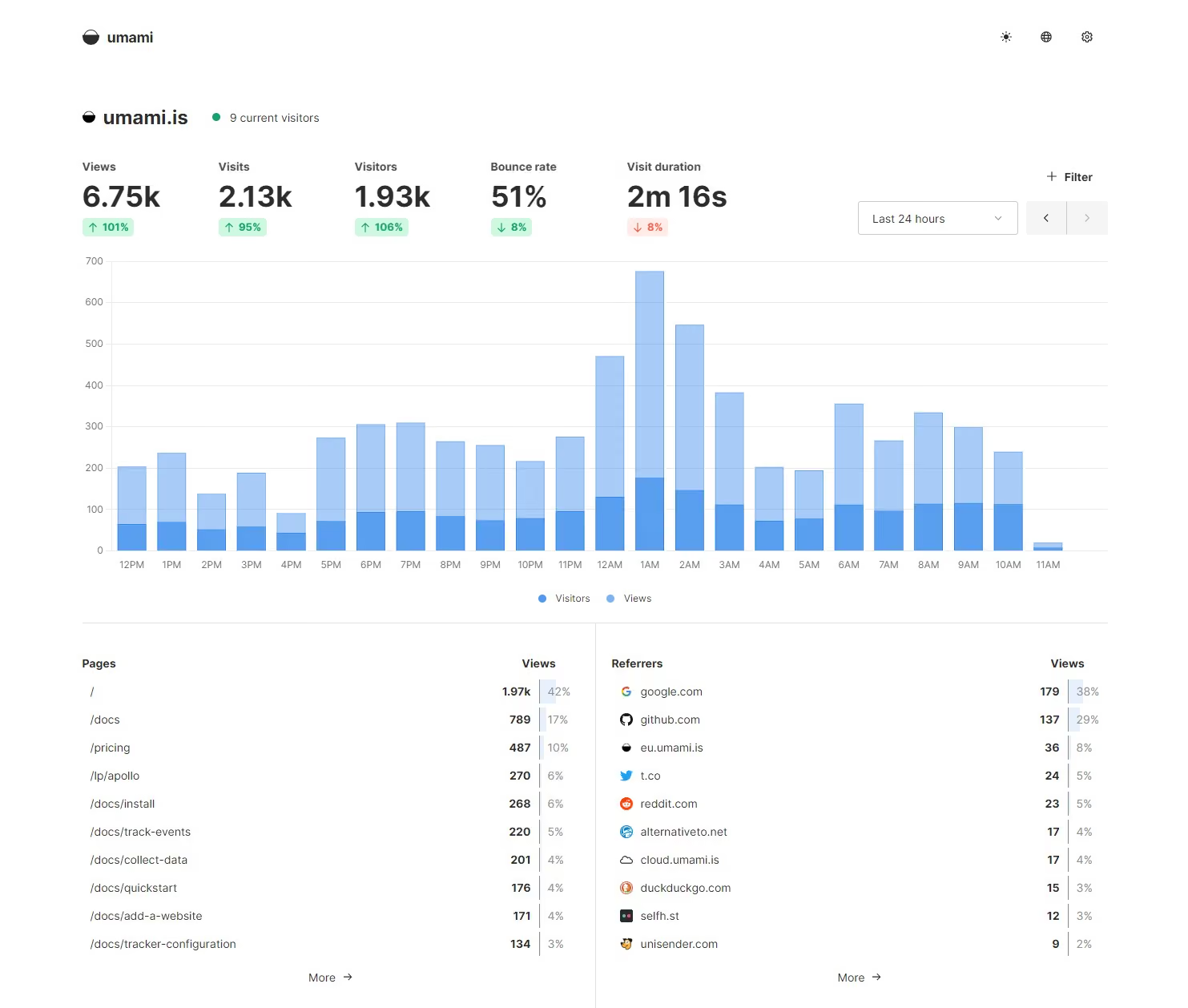
Umami is an open-source analytics platform that has gained popularity among developers and privacy-conscious businesses.
One of the biggest reasons for its growth is its clean and modern interface combined with a lightweight tracking script.
Umami focuses on delivering essential analytics metrics without overwhelming users with unnecessary complexity. Key features include:
- Pageview tracking
- Referrer analysis
- Device and browser statistics
- Event tracking
- Real-time insights
Since Umami is open-source, users can self-host it and keep full ownership of their data.
The dashboard is very simple, making it a good choice for startups or creators who want quick insights without spending hours on reports.
As privacy and data control become more important, Umami is becoming one of the best free web analytics tools for 2026.
10. GoatCounter
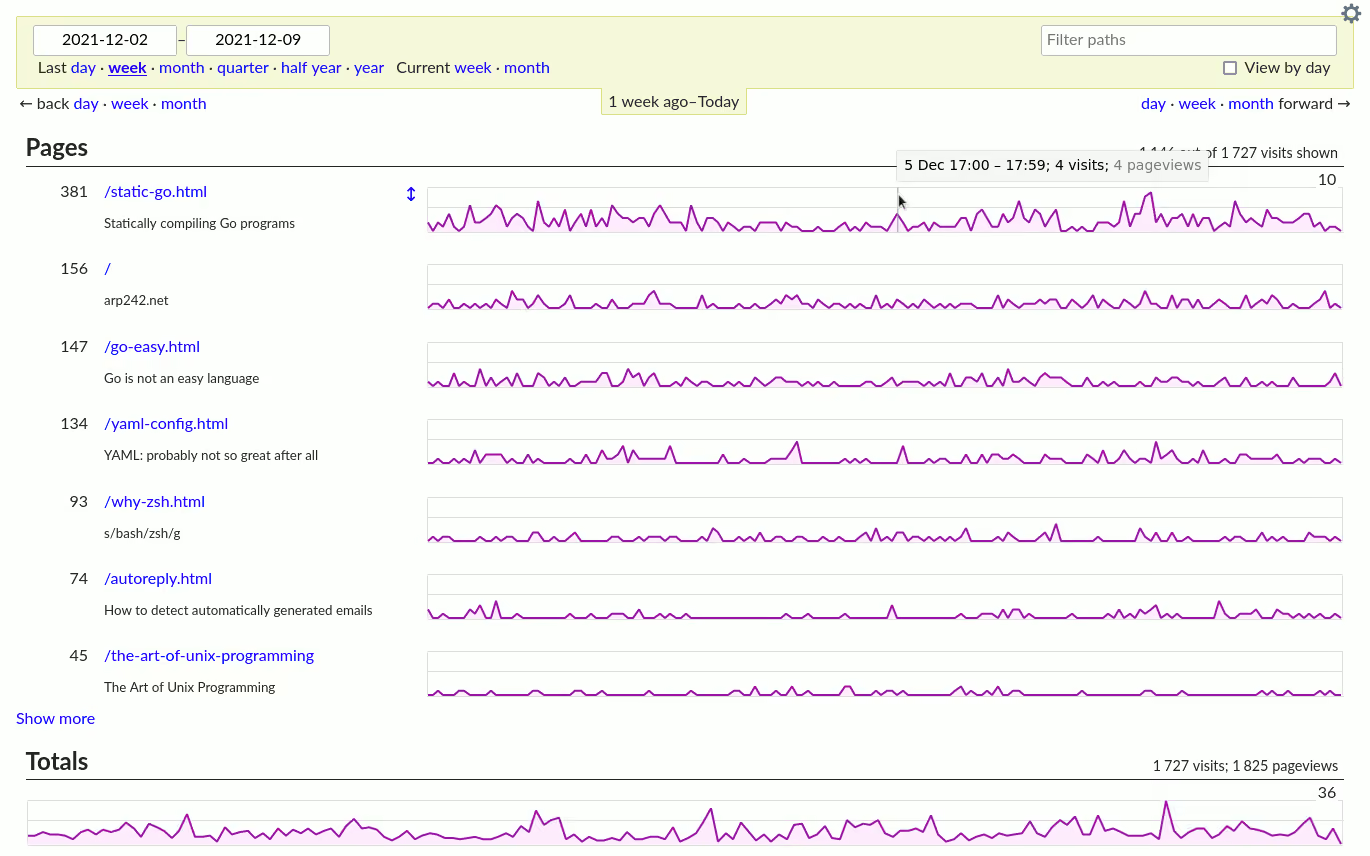
GoatCounter is a privacy-focused analytics tool made to be simple, lightweight, and easy to use.
The platform skips complicated reports and gives you a clear overview of your website traffic.
Key features include:
- Basic visitor tracking
- Referrer tracking
- Pageview analytics
- Privacy-friendly tracking
- Simple dashboard
Because GoatCounter avoids invasive tracking techniques, it is often used by websites that prioritize ethical data practices.
Its lightweight script also helps maintain fast website performance, which is important for both user experience and SEO.
Although it does not have as many advanced features as bigger analytics platforms, GoatCounter is still a reliable choice for small websites and independent creators.
That is why it remains one of the best free web analytics tools to use in 2026.
New Trends in Lightweight Analytics Tools for 2026
Lightweight analytics is not standing still in 2026. A few shifts are worth tracking:
- Cookieless tracking as default: tools like Plausible and GoatCounter already skip cookies entirely, making compliance easier without extra configuration.
- AI and machine learning integration: platforms are starting to layer predictive analytics on top of raw data, automatically surfacing patterns instead of leaving you to dig through reports.
- Real-time segmentation and funnels: visual dashboards increasingly show cohorting and funnel analysis live, not just after the fact.
- Behavioral insight without bulk: tools pair heatmaps and session recordings with a lightweight footprint, showing that detailed behavior data does not require a heavy platform.
For most ecommerce sites and agencies, the trends that matter most are the ones that save setup time and protect page speed.
Final Thoughts
Choosing the right analytics platform depends on your goals, technical skills, and privacy needs. Some businesses prefer powerful tools like Google Analytics for deep insights, while others pick privacy-first tools that focus on simplicity and data ownership.
The Best Free Web Analytics Tools to Use in 2026 reflect the growing demand for platforms that are fast, transparent, and easy to use. From modern solutions like Cromojo to established tools like Google Analytics and open-source options like Matomo, there are many powerful free analytics platforms available today.
For businesses looking for an easy-to-use platform with actionable insights, Cromojo stands out as the top choice because it balances usability, performance tracking, and clear analytics reporting.
As privacy rules change and website performance becomes even more important, picking the right analytics platform will be key to understanding your audience and improving your digital strategy.