



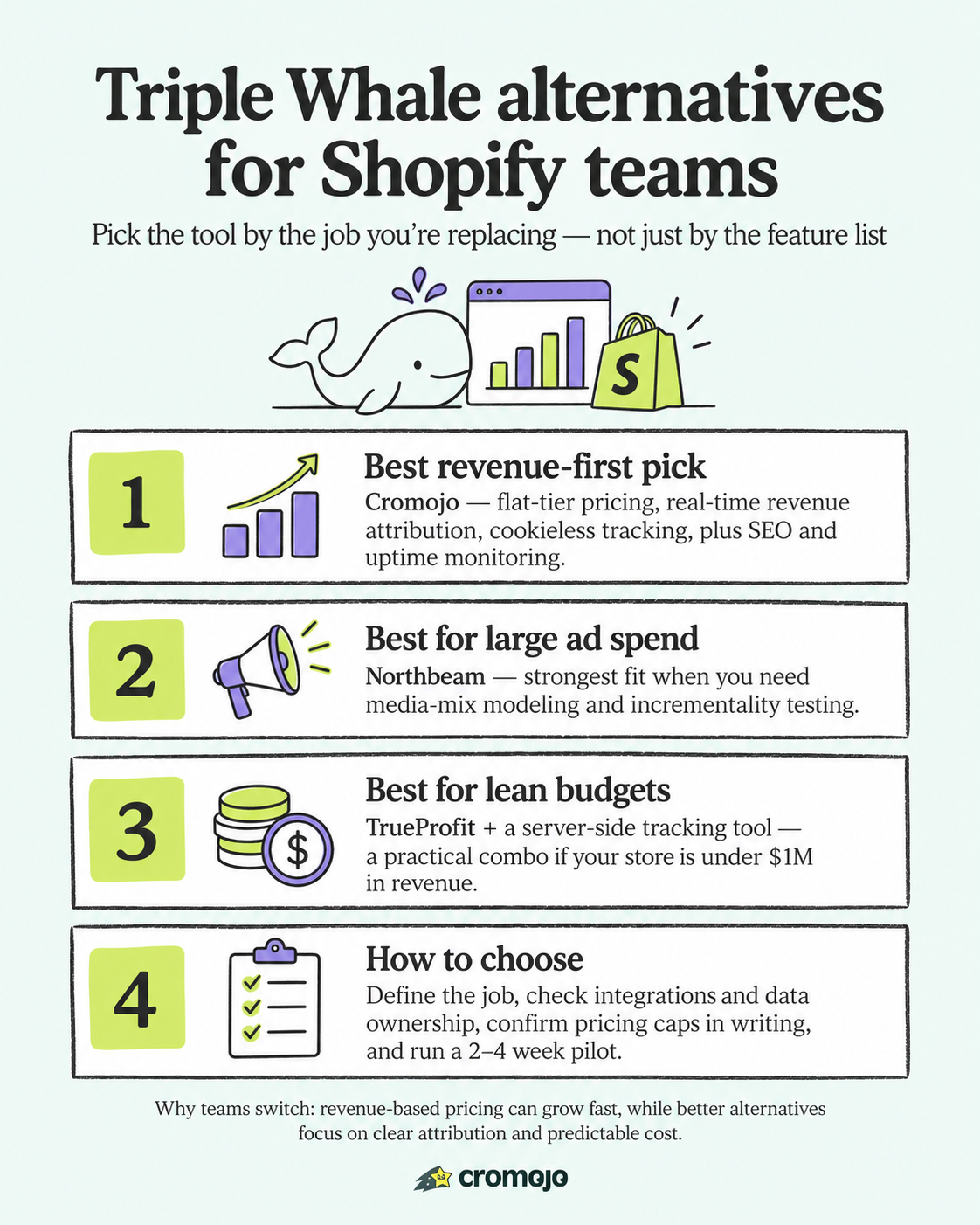
Most Shopify teams switching away from Triple Whale should start with a revenue-first platform like Cromojo if predictable pricing and clean attribution matter most, Northbeam if you're spending enough to need media-mix modeling, or a pairing of TrueProfit plus a server-side tracking tool if your budget is under $1 million in revenue. The right pick depends less on features and more on which job you're replacing and whether your current vendor's pricing scales with your growth.
Why Look for Triple Whale Alternatives?
Triple Whale built its reputation on making attribution feel simple for Shopify brands, but the complaints that push teams toward alternatives to Triple Whale tend to cluster around two things: pricing that scales with revenue and dashboards that report numbers without pointing to next steps. Community threads and comparison roundups have documented mid-contract price increases between 2023 and 2024 for vendors that charge on GMV or session volume, and that pattern isn't unique to one platform.
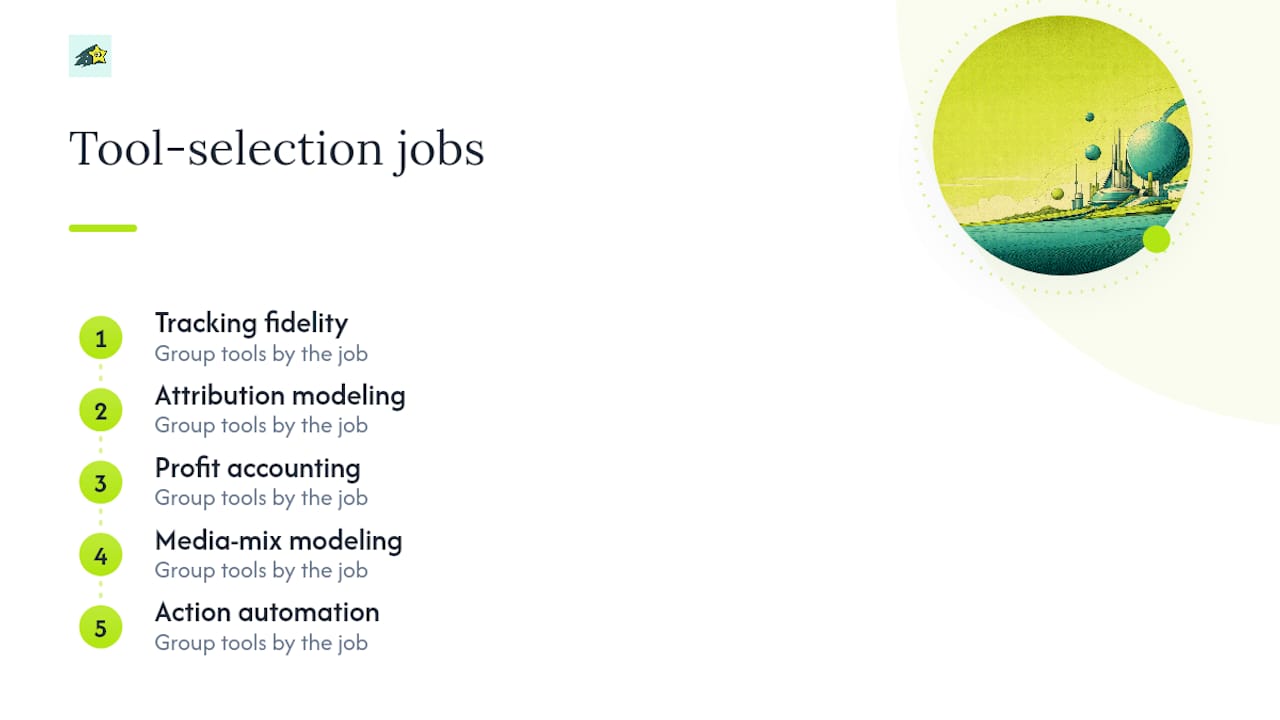
The smarter framing, and the one this comparison uses, is job-based. Vendor selection works best when you group tools by the job you're replacing: tracking fidelity, attribution modeling, profit accounting, media-mix modeling, or action automation. A tool built for one job rarely excels at another, and a lot of buyer's remorse comes from expecting a tracking tool to behave like an MMM platform, or vice versa.
Comparing the Best Triple Whale Substitutes
Before you book a single demo, it helps to see how these platforms differ on the axes that actually affect your monthly bill and your reporting accuracy.
Cromojo replaces the attribution-plus-monitoring stack in one subscription. It attributes real-time revenue by page, keyword, and channel, tracks visitors without cookies, and layers in uptime and SEO health checks so you're not juggling three separate tools. The pricing sits in flat tiers based on pageviews and sites tracked, which sidesteps the GMV growth tax entirely.
Northbeam earns its enterprise reputation through media-mix modeling and incrementality testing, the two methods that go beyond correlation to show causal lift. It's built for brands spending enough on ads that a wrong attribution read costs real money, and pricing requires a sales conversation.
Polar Analytics leans into Shopify-native dashboards with an option to export raw data into Snowflake, appealing to teams who want dashboard parity with Triple Whale but more control over the underlying data.
TrackBee skips GMV pricing altogether in favor of a flat, self-serve rate, and focuses on server-side conversion matching, a detail worth demoing if your Meta or TikTok signal quality has degraded.
Wicked Reports ties email, SMS, and paid spend into one lifecycle view, which suits retention-heavy brands more than pure acquisition shops.
Hyros is built for funnels where the sale happens weeks after the click, common in high-ticket or subscription-based info products, and its long attribution window is the reason advertisers in that niche stick with it.
TrueProfit answers a different question than most of this list: not "which channel gets credit" but "what did we actually keep after costs." At roughly $25 a month to start, it's one of the cheapest entries here.
Cometly targets mid-market brands that want multichannel attribution with AI-assisted reporting, without the procurement timeline that comes with Northbeam-tier enterprise sales.
ThoughtMetric is Shopify-first and built around signal accuracy, a good demo candidate if your current tool's numbers never quite match your Shopify orders.
Redtrack serves direct-response advertisers who need creative-level, cross-platform tracking more than ecommerce-specific revenue views.
wetracked.io and Adbright both position as lighter-weight attribution options, though public pricing isn't listed for either, so a demo is the only way to confirm fit and cost.
How to Choose Among Triple Whale Alternatives
Run the decision in order, not all at once. First, name the job you're actually trying to replace: tracking accuracy, attribution modeling, profit clarity, MMM, or action automation. Second, check integration depth with Shopify, Stripe, Google, Meta, and TikTok, and confirm whether you own the underlying data or just rent access to a dashboard. Third, ask how the vendor validates its methodology. Fourth, verify pricing caps in writing before you sign. Fifth, run a pilot alongside your current tool for two to four weeks before fully switching.
During any demo, ask these questions directly:
- How often does the attribution data refresh, and is that refresh real time or batch?
- What test window do you use for incrementality or MMM, and can I see a sample report?
- Does pricing scale with GMV, sessions, or revenue, and is there a cap?
- Can I see a demo dataset that resembles my store's order volume and ad mix?
- Do you support server-side tracking, and how does that affect Meta or TikTok match rates?
If your ad budget is modest, a full attribution suite may be overkill. Pairing a profit tool like TrueProfit with a lightweight tracking or post-purchase survey add-on often answers the two questions that matter most at that stage: are we profitable, and where are customers actually coming from.
Pro Tip:Ask every vendor for their pricing structure in writing before the pilot starts, not after. A verbal "it won't change much" from a sales rep means nothing once your GMV crosses their next tier.
What Cromojo Offers Shopify Merchants Switching Tools
Cromojo was built around one idea: attribution should follow revenue, not just traffic. It attributes sales by page, keyword, and channel in real time, then layers conversion funnels, visitor journey mapping, and advanced segmentation on top, so a merchant can see which campaign actually produced a sale rather than which one produced a click.
- Real-time revenue attribution by page, keyword, and channel
- Cookieless, privacy-first tracking with no consent-banner dependency
- Integration with payment and ecommerce platforms for revenue matching
- Automated website indexing, uptime monitoring, and SEO health checks bundled in
- Pricing tiers based on pageviews and sites tracked
Analytics investment tends to pay for itself: marketing teams using structured analytics report notably better ROI than those relying on gut-feel channel decisions. Cromojo fits Shopify DTC teams that want that clarity without wondering if next quarter's growth triggers a price hike.
Editor View: Is Switching Worth the Effort?
Switch when the price hike outpaces your growth, when attribution gaps persist across two or more reporting cycles, or when you want to own your data outright. Before migrating, align your event definitions, run both tools in parallel for two to four weeks on matching date ranges, and compare results before canceling anything. If you're unsure, pilot a single piece first, like server-side tracking or profit reporting, rather than replacing the whole stack at once.
Try Cromojo as Your Revenue-First Alternative
If the pattern above bothered you, that vendors like Northbeam and Hyros lock real pricing behind a demo call, that's exactly the problem Cromojo was built to avoid. Cromojo runs on flat tiers by pageviews and sites tracked, so a good month of sales doesn't trigger a surprise invoice.
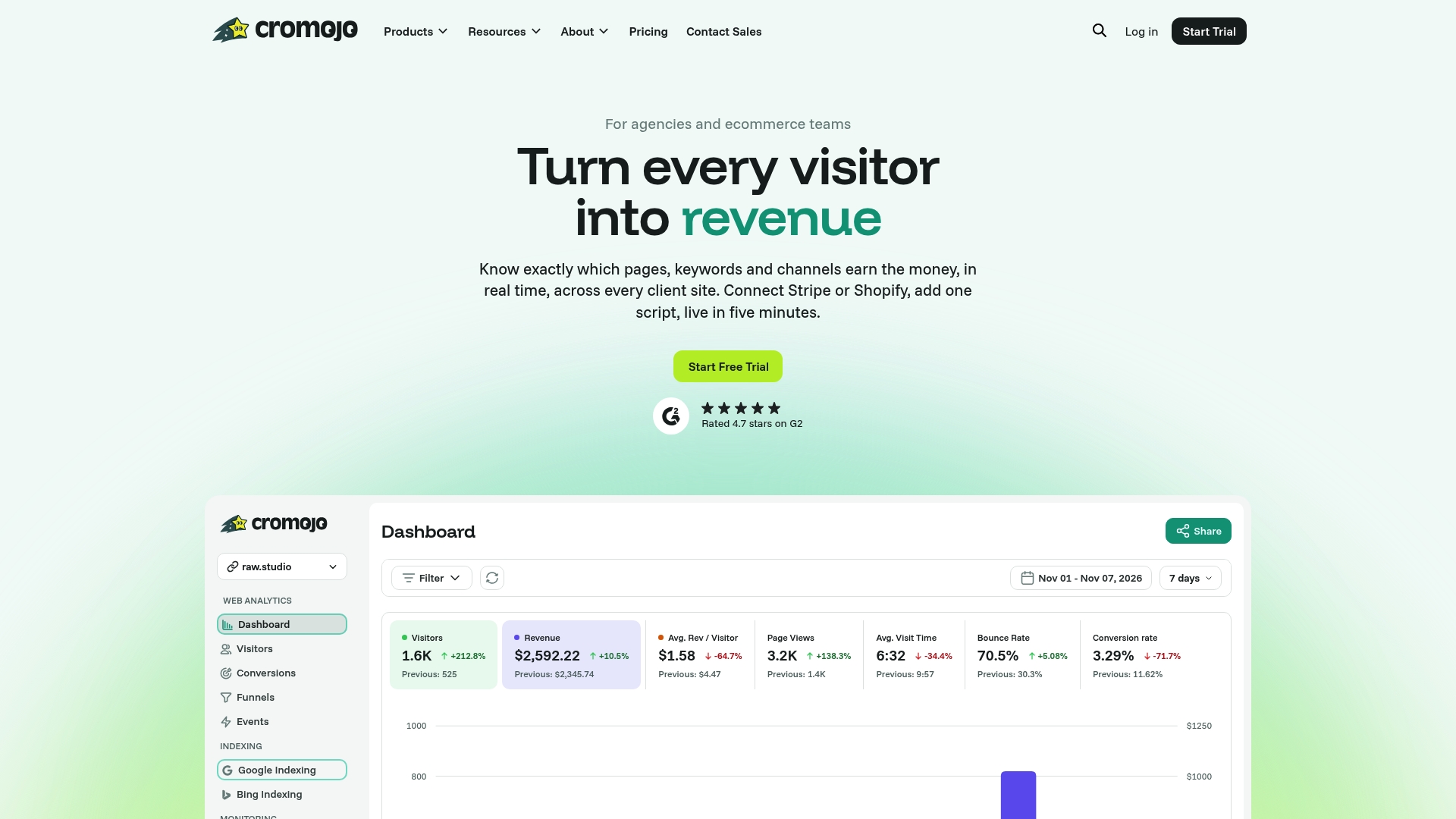
Setup takes one lightweight script, no cookie banners, no engineering sprint, and you'll see real-time revenue by page, keyword, and channel from day one. A sensible pilot scope is 30 days running alongside your current tool, comparing revenue attribution and site uptime reporting side by side. Start with the revenue attribution feature and see whether the numbers finally match your Shopify orders.
.png)